
The meeting ran long. Again. You had three calls back-to-back with no break, your inbox is overflowing, and someone just asked you to handle something that wasn’t your responsibility in the first place. Your shoulders are up near your ears, your jaw is clenched, and there’s a low-grade headache building behind your eyes.
You know you should take a break. But breaks feel impossible when everything feels urgent. So you power through, running on adrenaline and the vague hope that eventually things will slow down. They don’t. They never do.
This is the reality for millions of people. Not occasional stress from major life events, but the constant, grinding pressure of daily demands that never quite let up. The kind of stress that becomes so normal you stop noticing it—until your body starts sending signals you can’t ignore.
What if the solution isn’t about eliminating stress (impossible) or powering through it (unsustainable)? What if it’s about creating small, consistent moments where you deliberately step off the treadmill, even for just five minutes?
This is where herbal tea for stressful days becomes more than a beverage. It becomes a tool, a pause button, a micro-practice that reminds your nervous system it doesn’t have to be in crisis mode every single moment.

How Herbal Ingredients Calm the Mind
Your nervous system doesn’t have an off switch. After a day of deadlines and decision fatigue, your brain is still running—replaying conversations, planning tomorrow, worrying about things you can’t control. Calming herbal teas work with your body’s natural systems to help ease this mental chatter.
The mechanism isn’t complicated. Certain plant compounds interact with neurotransmitter receptors in your brain—the same receptors that regulate stress response and relaxation. Think of it like turning down the volume instead of hitting mute.
The Key Compounds in Calming Herbs
L-theanine is an amino acid found in tea leaves that promotes alpha brain wave activity—the same brain state associated with relaxed alertness. Research published in Nutrients shows that L-theanine can reduce stress-related symptoms without causing drowsiness.
Apigenin is a flavonoid found in chamomile that binds to specific receptors in the brain. A study in Molecular Medicine Reports found that apigenin has anxiolytic properties, supporting relaxation by interacting with GABA receptors—the same system targeted by many anti-anxiety medications.
Linalool is a terpene found in lavender and other aromatic herbs. Research in Frontiers in Behavioral Neuroscience shows that linalool can reduce anxiety-like behaviors through olfactory pathways—you literally breathe in calm.
These aren’t mystical properties. They’re measurable biochemical interactions validated in peer-reviewed research.
Traditional Use Meets Modern Understanding
For centuries, herbalists recommended specific plants for nighttime use—red clover, sage, and gotu kola among them. They observed patterns: people who drank certain herbal infusions before bed reported feeling more settled, more ready for rest.
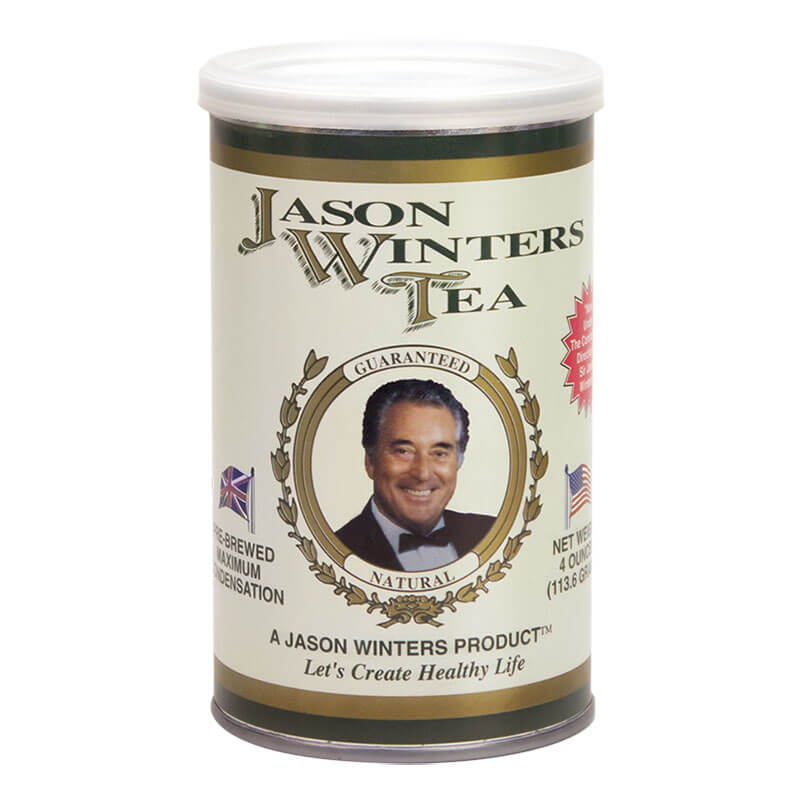
Sir Jason Winters built his original blend around this traditional wisdom, combining herbs that have been valued across cultures for their calming properties. Modern research is now catching up, confirming what traditional use has suggested for generations.

Studies on Sleep and Tea
The research on herbal tea and relaxation has expanded significantly in the past decade. We’re no longer relying solely on anecdotal evidence; we have controlled studies examining specific mechanisms.
What the Research Shows
A systematic review in the Journal of Advanced Nursing examined multiple studies on herbal teas and sleep quality. Participants who incorporated herbal tea into their nighttime routines reported improvements in relaxation and sleep quality compared to control groups. The researchers noted that the ritual itself—the act of preparing and consuming tea—may enhance the physiological effects of the herbs.
The National Institutes of Health Sleep Foundation emphasizes the importance of pre-sleep relaxation routines. Activities promoting parasympathetic nervous system activation—like sipping warm liquids in a calm environment—can signal to your body that it’s time to transition toward rest.
A randomized controlled trial in BMC Complementary Medicine and Therapies investigated chamomile extract and sleep quality. Participants taking chamomile reported statistically significant improvements in sleep quality scores, attributed to chamomile’s apigenin content and its interaction with GABA receptors.
The Hydration and Temperature Factor
Here’s something most sleep science articles miss: the water itself matters. A study in Sleep journal found that dehydration can disrupt sleep patterns. When you drink herbal tea before bed, you’re ensuring adequate hydration, which supports your body’s natural sleep regulation.
The warm temperature also plays a role. Research shows that warming your core body temperature before bed triggers a compensatory cooling effect that can facilitate sleep onset. It’s thermoregulation, not magic.
Research in Sleep Medicine Reviews confirms that consistent pre-sleep routines improve sleep quality independently of what those routines contain. The ritual itself becomes part of the mechanism.
It’s important to be clear: these studies show associations and mechanisms, not miracle cures. Herbal tea won’t fix chronic insomnia caused by sleep apnea or underlying health conditions. What it can do is support your body’s natural relaxation processes as part of a broader healthy sleep routine.

Best Practices for Tea Before Bed
Knowing the science is one thing. Actually building a sustainable nighttime tea practice is another. The goal isn’t perfection; it’s consistency with a ritual that genuinely fits your life.
Timing and Preparation
Drink your relaxation tea 30-60 minutes before bed, not right as you’re climbing under the covers. This gives the warm liquid time to work with your thermoregulation, the plant compounds time to absorb, and you time to use the bathroom before trying to sleep.
The ideal temperature for herbal tea is 160-180°F—hot enough to extract compounds and provide the warming effect, but cool enough to sip comfortably. Boiling water can destroy some delicate plant compounds, so let it cool slightly after boiling.
Steeping time: 5-7 minutes for most herbal blends. Longer doesn’t necessarily mean stronger; it can mean bitter. Set a timer and use this time to step away from screens and dim the lights.
What to Avoid
Caffeine contamination: Make sure your nighttime blend is truly herbal—no black tea, green tea, or yerba mate. Even small amounts of caffeine can interfere with sleep onset for sensitive individuals.
Laxative herbs: Some “detox” teas contain senna or cascara sagrada, which are powerful laxatives. These do not belong in a bedtime tea. You want relaxation, not midnight bathroom emergencies.
Added sugars: A bit of honey is fine, but loading your tea with sugar can spike blood glucose and potentially disrupt sleep.
For a comprehensive look at choosing the right herbal tea for your sleep needs, check out our complete guide to herbal tea and sleep.

Integrating SJW Teas into Nighttime Routines

Conclusion
The science behind herbal tea sleep support isn’t mystical—it’s biochemistry, thermoregulation, and behavioral psychology working together. Plant compounds interact with your nervous system, the warm liquid affects your core temperature, and the consistent ritual creates neurological cues. Sir Jason Winters has been part of people’s wellness routines for decades because we respect both the herbal traditions and the people using them, offering time-tested herbal combinations without making false promises.
If you’re ready to explore how herbal tea might support your nighttime routine, start simple: Choose a blend, set a time, commit to two weeks of consistency. This isn’t about perfect sleep from day one—it’s about supporting your body’s natural processes with practices that have been valued across cultures for centuries. Remember: every body is different, so always consult with a healthcare provider before starting any new wellness routine, especially if you’re taking medications or managing health conditions.
FAQ’s
What is the science behind herbal tea helping with sleep?
Herbal tea contains plant compounds like L-theanine, apigenin, and linalool that interact with GABA receptors in the brain to promote relaxation. The warm liquid also affects thermoregulation and triggers a cooling effect that facilitates sleep onset.
How long before bed should I drink herbal tea for best results?
Drink your herbal tea 30-60 minutes before bed to allow time for the compounds to absorb and for you to use the bathroom before lying down.
Which herbal tea ingredients are most effective for nighttime relaxation?
Chamomile (apigenin), green tea (L-theanine), and lavender (linalool) have been studied for their calming properties. Traditional herbs like red clover, sage, and gotu kola have been used in nighttime wellness routines for centuries.
Can herbal tea replace sleep medication?
No. Herbal tea should never replace prescribed sleep medication without explicit guidance from your healthcare provider. It supports healthy sleep hygiene but does not treat medical conditions.
How do I choose between different calming herbal teas for my nighttime routine?
Start with widely-studied herbs like chamomile or traditional blends like Sir Jason Winters’ formulations. Choose based on taste and how you feel 30-60 minutes after drinking, since consistency matters most.