
Three in the morning. Again. You’re staring at the ceiling, mind racing through tomorrow’s tasks, replaying today’s conversations, worrying about things you can’t control. The alarm will go off in four hours, maybe less. You know you need sleep, but knowing doesn’t help. Your body is exhausted, but your brain won’t shut down.
This isn’t just frustrating—it’s unsustainable. Poor sleep affects everything: your mood, your focus, your relationships, your health. You’ve tried melatonin supplements, sleep apps, and counting backward from 100. Some nights they help. Most nights they don’t.
What if the problem isn’t just what you’re doing wrong, but what you’re missing? What if better sleep isn’t about forcing your body into submission, but about creating the conditions where rest happens naturally?
This comprehensive guide explores how herbal tea for sleep can become the cornerstone of genuine nighttime recovery. Not as a magic pill, but as part of a complete approach to the way you end your day.

How Herbal Teas Aid Sleep
Understanding how herbal tea for sleep supports natural rest requires looking beyond the simple act of drinking something warm before bed. The mechanisms are specific, researched, and rooted in traditions that predate modern sleep science.
The physiology of relaxation
Your body has two operating modes: sympathetic (fight-or-flight) and parasympathetic (rest-and-digest). Most people spend their entire day in sympathetic mode—stressed, alert, ready for threats. When bedtime arrives, they expect their body to flip a switch and instantly relax.
It doesn’t work that way. The transition from sympathetic to parasympathetic requires signals, and traditional bedtime tea provides several of those signals simultaneously.
The warmth of the liquid raises your core body temperature slightly. When you stop drinking, your temperature drops, mimicking the natural temperature decline that triggers sleep onset. The ritual of preparation—boiling water, steeping herbs, sitting quietly—creates a behavioral cue that sleep is approaching. And the plant compounds in the herbs interact with neurotransmitter systems that regulate relaxation.
According to the National Institutes of Health, quality sleep is essential for clearing waste from the brain and consolidating memories. Supporting natural sleep processes is critical for long-term cognitive health.
How botanical compounds interact with sleep systems
Different herbs work through different mechanisms, which is why traditional blends combine multiple plants rather than relying on a single ingredient.
Some herbs contain compounds that increase GABA (gamma-aminobutyric acid) activity in the brain. GABA is your primary inhibitory neurotransmitter—it tells your neurons to calm down and stop firing. When GABA levels are low, your brain stays active even when you’re exhausted.
Other herbs have been traditionally used to support the body’s natural stress response systems. Chronic stress elevates cortisol, which directly interferes with sleep quality. Plants that help the body manage stress more effectively create better conditions for rest.
Still others work on inflammation or digestive comfort, addressing physical discomforts that can prevent quality sleep even when you’re mentally relaxed.
The hydration-sleep connection
Dehydration affects sleep quality in ways most people don’t realize. Even mild dehydration can cause restlessness, difficulty falling asleep, and frequent waking. But drinking large amounts of water right before bed creates its own problem—multiple bathroom trips that fragment your sleep.
Herbal relaxation tea solves this elegantly. You get the hydration benefits in a controlled amount (typically one cup), delivered 30-60 minutes before bed. This timing allows for bathroom visits before sleep while still addressing dehydration.
The plants in the tea also support your body’s water retention and distribution systems, helping you stay hydrated through the night without waking up desperate for the bathroom.
Ritual as a sleep signal
Perhaps the most underestimated aspect of nighttime tea is the ritual itself. Your brain learns through repetition. When you consistently perform the same sequence of actions before bed—putting on the kettle, selecting your tea, steeping it, sitting in the same spot to drink it—you create a Pavlovian response.
After a few weeks, your brain starts preparing for sleep the moment you begin the ritual. Your melatonin production increases, your heart rate slows, and your mind begins to disengage from the day’s concerns. The tea becomes a bridge between wakefulness and rest.
Why caffeine-free matters
While morning motivation with herbal tea focuses on energizing blends, evening teas support the opposite transition—from activity to rest.
This seems obvious, but it’s worth stating clearly: any tea used for sleep must be completely caffeine-free. Even small amounts of caffeine consumed in the evening can delay sleep onset and reduce sleep quality for hours.
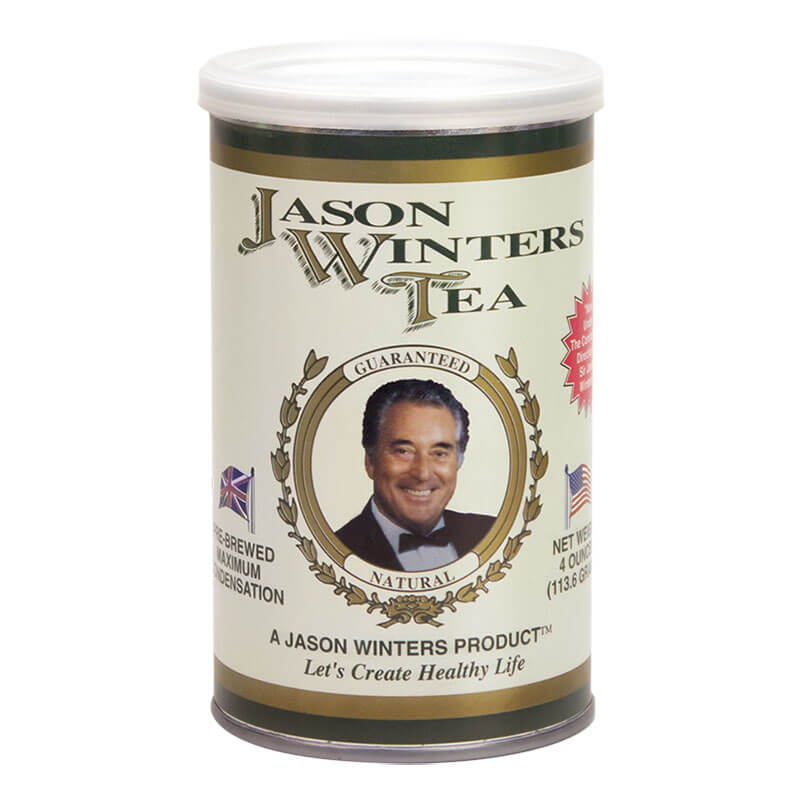
Traditional herbal blends like those from Sir Jason Winters contain no caffeine naturally. They’re not decaffeinated (a process that can leave residual caffeine and processing chemicals)—they simply don’t contain caffeine to begin with. This makes them fundamentally different from traditional tea varieties derived from the Camellia sinensis plant.
Learn more about caffeine-free alternatives to coffee and how they support wellness throughout the day.

Top SJW Teas for Nighttime Recovery
Sir Jason Winters has developed specific approaches to evening wellness through carefully crafted herbal combinations. While the brand is known primarily for its Original Blend, the same principles that make it effective for daily wellness also support nighttime recovery.
Understanding the Original Blend for evening use
The Sir Jason Winters Original Herbal Tea Blend combines red clover, sage, and Herbalene in a balanced formula that many people may find supportive for evening relaxation.
Red clover has been traditionally used in herbal practices for its gentle, calming properties. Sage has a long history of use for promoting mental clarity and calm—qualities that help quiet racing thoughts before bed.The Herbalene component adds warmth and depth.
When used as part of an evening routine, this blend doesn’t force drowsiness. Instead, it supports your body’s natural transition toward rest. Many people describe feeling more settled and grounded after their evening cup, making it easier to let go of the day’s tension.
Classic Blend with Chaparral for deeper relaxation
For those seeking a more robust evening experience, the Classic Blend with Chaparral adds an earthier dimension to the traditional formula. Chaparral has been used traditionally for many years, and some people find its addition particularly helpful for evening wind-down.
The slightly stronger flavor profile also creates a more distinct sensory experience, which can be valuable for ritual purposes. The taste and aroma become stronger signals to your brain that the day is ending and rest is approaching.
Creating your evening tea routine
The key to using Sir Jason Winters teas for nighttime recovery isn’t just which blend you choose—it’s how you incorporate it into a complete evening practice.
Start by timing your tea consumption. Ideally, begin your tea ritual 60-90 minutes before your target bedtime. This gives you time to drink slowly, allows for a final bathroom visit, and creates a buffer between the end of your day’s activities and sleep.
Make the preparation deliberate. Don’t rush through steeping or drink while scrolling your phone. Let the process be an intentional transition. The ritual signals to your entire system—not just your mind—that you’re shifting gears.
Consider pairing your tea with other wind-down activities. Some people journal while their tea steeps. Others do gentle stretching or read something calming (not work-related, not the news). The tea becomes the anchor for a broader relaxation practice.
You can explore the complete Sleep Support Tea Collection to find the blend that best supports your evening routine.
Consistency creates compound benefits
One cup of herbal tea won’t transform your sleep. But the same cup, at the same time, night after night, creates neurological and physiological patterns that compound.
After two weeks of consistent evening tea ritual, your body starts anticipating sleep more effectively. After a month, the ritual becomes automatic—something you look forward to rather than something you have to remember. After three months, people often report that their baseline sleep quality has improved, even on nights when they skip the tea.
This is how traditional practices work. Not through force or chemicals, but through gentle, consistent support that allows your natural systems to function optimally.

Creating a Nighttime Tea Ritual
A ritual is different from a routine. A routine is mechanical—you do the same things in the same order out of habit. A ritual is intentional—each element serves a purpose, and you remain present for the experience.
Your evening tea ritual becomes more than just drinking relaxation tea—it’s a complete sensory and psychological transition from day to night.
Designing your sleep sanctuary
Your environment shapes your ability to relax. Start by creating a dedicated space for your evening tea ritual—somewhere comfortable, away from screens, with soft lighting.
This doesn’t require elaborate setup. It could be a specific chair in your bedroom, a corner of your living room, or even a spot on your back porch. What matters is consistency. The same place, every night, trains your brain to associate that location with relaxation.
Consider the sensory elements. Dim the lights or use candles (safely). Play quiet, calming music or nature sounds—or embrace silence. Keep the temperature comfortable. These details aren’t frivolous; they’re signals that tell your nervous system it’s safe to let go.
The power of pre-sleep journaling
While your tea steeps, use those 5-7 minutes for a simple journaling practice. This doesn’t mean writing pages of deep reflection. It means doing a brain dump of everything still circulating in your mind.
According to research cited by the Sleep Foundation, expressive writing before bed can reduce the time it takes to fall asleep and improve overall sleep quality by helping process the day’s experiences.
Write down tomorrow’s tasks so you don’t have to remember them. List anything you’re worried about—not to solve these problems, but simply to acknowledge them. Note one thing that went well today. This practice gives your circulating thoughts a place to land so they don’t keep spinning through your mind all night.
The combination of tea preparation and journaling creates a complete cognitive transition. By the time you take your first sip, you’ve already begun the process of letting go.
Screen-free tea time
This is non-negotiable for maximizing the benefits of your nighttime tea ritual: no screens during tea time. No phone, no TV, no laptop.
Blue light from screens suppresses melatonin production, directly interfering with sleep onset. But beyond the physiological impact, screens keep your mind engaged with the external world—news, social media, emails, entertainment. You can’t genuinely transition toward rest while remaining cognitively activated.
Use your tea time for genuine disengagement. Sit with your thoughts. Look out a window. Pet your cat. Do nothing at all. The boredom is the point. Your overstimulated brain needs permission to be unstimulated, and this 15-20 minutes provides it.
Breathwork and gentle movement
While drinking your tea, incorporate simple breathing exercises. Try the 4-7-8 technique: breathe in for 4 counts, hold for 7, exhale for 8. Repeat 3-4 times. This activates your parasympathetic nervous system and creates physiological relaxation.
Some people also add gentle stretching or restorative yoga poses while their tea cools to a drinkable temperature. Forward folds, gentle twists, and legs-up-the-wall pose all support the transition toward sleep.
The goal isn’t a workout—it’s releasing physical tension that might otherwise keep you awake. Your body holds stress in specific areas (jaw, shoulders, hips), and gentle movement helps discharge that holding.
Temperature ritual
Here’s a lesser-known but powerful technique: after drinking your warm tea, expose yourself to cooler air for 5-10 minutes. Step outside (if safe and comfortable) or into a cooler room.
This creates a temperature contrast that mimics your body’s natural sleep-onset pattern. Your core temperature needs to drop to trigger deep sleep. By raising it with warm tea, then cooling it deliberately, you’re working with your biology rather than against it.
When you return to your bed (which should be in a cool, dark room), the temperature transition becomes another powerful sleep signal.

Tips for Better Sleep Habits

Conclusion
Quality sleep isn’t a luxury—it’s a biological necessity. Without it, everything else in your life becomes harder. Your mood suffers, your focus fragments, your health declines, and your resilience disappears.
The modern world conspires against sleep. Blue light, constant stimulation, 24/7 connectivity, chronic stress—all of these work directly against your body’s natural sleep systems. Sleeping pills might force unconsciousness, but they don’t create genuine restorative sleep, and they often come with dependency and side effects.
Traditional herbal tea for sleep offers a different approach. It doesn’t force anything. Instead, it creates conditions where natural sleep can occur. The warmth signals safety. The ritual creates transition. The plant compounds support your existing neurological systems. The consistency builds powerful sleep associations.
Sir Jason Winters teas have been part of evening routines for decades because they work with your body’s wisdom rather than overriding it. The Original Blend’s combination of red clover, sage, and Herbalene provides gentle support for the natural transition from wakefulness to rest. The Classic Blend with Chaparral offers a more robust option for those seeking deeper evening relaxation.
But remember: the tea is part of a system, not a standalone solution. Combined with consistent sleep timing, proper light management, a screen-free wind-down, and a genuine commitment to making sleep a priority, herbal tea becomes the cornerstone of nighttime recovery that actually lasts.
Your body knows how to sleep. You just need to give it permission and support. Start tonight.
FAQ’s
How long before bed should I drink herbal tea for sleep?
The ideal timing is 60–90 minutes before your target bedtime. This window allows you to drink slowly and mindfully, complete your evening ritual, and make a final bathroom visit before sleep. Starting your tea preparation at this time creates a deliberate transition period between your day’s activities and rest. Sir Jason Winters teas work best when incorporated as part of a consistent evening routine rather than consumed right before climbing into bed.
Will nighttime herbal tea make me groggy or drowsy in the morning?
No. Sir Jason Winters herbal blends support your body’s natural transition toward rest without forcing sedation. They don’t contain sleep-inducing drugs or compounds that create morning grogginess. Instead, the teas help create conditions where natural, restorative sleep can occur. When you wake, you should feel refreshed rather than foggy. This is fundamentally different from sleep medications that can leave residual effects the next day.
Can I drink tea every night or is it only for occasional use?
Sir Jason Winters teas are traditionally used as part of nightly wellness routines and are gentle enough for consistent, long-term use. In fact, the benefits compound with regular practice—after two weeks of consistent evening tea ritual, your body starts anticipating sleep more effectively. After a month, the ritual becomes automatic. The key is that these are supportive herbal blends, not medications, making them appropriate for ongoing use as part of your sleep hygiene practice.
How long before I notice improvements in my sleep?
The ritual itself provides immediate benefit through the act of creating a deliberate wind-down period. However, the deeper improvements—where your baseline sleep quality increases and falling asleep becomes easier—typically develop over 2–4 weeks of consistent practice. One cup won’t transform your sleep, but the same cup at the same time every night creates neurological and physiological patterns that compound. Many people report noticing meaningful changes after maintaining the practice for three weeks.
Which Sir Jason Winters blend is better for nighttime use?
The Original Herbal Tea Blend combines red clover, sage, and Herbalene in balanced proportions that many find supportive for evening relaxation. It’s gentle and suitable for people new to using tea as part of their sleep routine. The Classic Blend with Chaparral adds an earthier dimension and more robust flavor that some people prefer for deeper evening wind-down, particularly during periods of heightened stress. Both are caffeine-free and can be used in the evening—the choice depends on your personal preference and how your body responds.
Can I combine herbal tea with melatonin or other sleep supplements?
While Sir Jason Winters teas are traditionally used herbs and don’t contain pharmaceutical compounds, you should consult with a qualified healthcare professional before combining any herbal practices with supplements or medications. The tea works through gentle support of your natural sleep systems, but individual responses can vary, especially when multiple sleep aids are used together. Your healthcare provider can help you create a safe, effective approach tailored to your specific situation.
Does the tea ritual work better than just drinking the tea quickly?
Yes, significantly. While the herbal compounds in the tea provide support, the ritual itself is a critical component of effectiveness. The deliberate preparation, the consistent timing, the screen-free mindful consumption—all of these create powerful conditioning effects that signal to your brain and body that sleep is approaching. Research shows that consistent pre-sleep rituals activate the parasympathetic nervous system and reduce stress hormones. Drinking the tea while scrolling your phone or rushing through preparation eliminates much of the benefit. The ritual is as important as what’s in the cup.