
The meeting ran long. Again. You had three calls back-to-back with no break, your inbox is overflowing, and someone just asked you to handle something that wasn’t your responsibility in the first place. Your shoulders are up near your ears, your jaw is clenched, and there’s a low-grade headache building behind your eyes.
You know you should take a break. But breaks feel impossible when everything feels urgent. So you power through, running on adrenaline and the vague hope that eventually things will slow down. They don’t. They never do.
This is the reality for millions of people. Not occasional stress from major life events, but the constant, grinding pressure of daily demands that never quite let up. The kind of stress that becomes so normal you stop noticing it—until your body starts sending signals you can’t ignore.
What if the solution isn’t about eliminating stress (impossible) or powering through it (unsustainable)? What if it’s about creating small, consistent moments where you deliberately step off the treadmill, even for just five minutes?
This is where herbal tea for stressful days becomes more than a beverage. It becomes a tool, a pause button, a micro-practice that reminds your nervous system it doesn’t have to be in crisis mode every single moment.

Why Calm Matters in Daily Life
The cultural message is clear: productivity equals value, busyness equals importance, and rest equals laziness. We celebrate people who work 80-hour weeks, answer emails at midnight, and never take vacations. We wear our stress like a badge of honor.
But your body doesn’t care about cultural narratives. It cares about survival. And chronic stress—the kind that never truly ends—creates physiological damage that compounds over time.
The biology of chronic stress
When you face a genuine threat, your sympathetic nervous system activates. Cortisol and adrenaline flood your bloodstream. Your heart rate increases, your breathing accelerates, and your body redirects resources away from long-term maintenance (digestion, immune function, cellular repair) toward immediate survival.
This response is brilliant for escaping actual danger. The problem is that your nervous system can’t distinguish between a lion chasing you and an aggressive email from your boss. It responds the same way to both.
When stress is constant—when you’re always “on,” always responding to demands, always bracing for the next crisis—you remain in sympathetic activation. Your cortisol stays elevated. Your immune function weakens. Your sleep quality plummets. Your digestive system struggles. Inflammation increases throughout your body.
According to Psychology Today, chronic stress contributes to a wide range of health issues, including cardiovascular disease, weakened immunity, digestive problems, and mental health challenges like anxiety and depression.
This isn’t about being weak or not handling stress well. It’s basic physiology. Your body wasn’t designed to run in emergency mode indefinitely.
Why most stress management advice fails
The typical advice sounds reasonable: exercise more, get enough sleep, eat well, practice meditation. All true. All helpful. Also, all difficult to implement when you’re already overwhelmed.
When you’re drowning in deadlines and responsibilities, telling yourself to add a 30-minute meditation practice feels like one more thing you’re failing at. The advice creates additional stress rather than reducing it.
Effective stress management for real life has to meet these criteria: it must be quick (5-10 minutes maximum), require minimal setup, work during the workday (not just evenings/weekends), and provide immediate tangible benefit that makes you want to repeat it.
Daily stress rituals need to be so simple and so rewarding that they happen even on your worst days. Otherwise, they’re theoretical solutions that don’t translate into actual practice.
The compound effect of micro-practices
Here’s what most people miss: stress resilience isn’t built through occasional big interventions. It’s built through consistent small practices that interrupt the stress cycle multiple times throughout the day.
One five-minute tea break won’t reverse chronic stress. But the same five-minute break, taken deliberately, twice a day, five days a week, for months? That creates measurable change in your baseline nervous system regulation.
These micro-practices work because they give your body repeated signals that safety exists, that relaxation is possible, that not every moment requires vigilance. Over time, this recalibrates your stress response, making you more resilient and less reactive.
Permission to pause
Perhaps the most important aspect of building calming tea habits is the permission they create. In a culture that glorifies constant productivity, stopping feels like failure. Taking a break feels selfish. Doing nothing feels wrong.
A tea ritual provides socially acceptable permission to pause. You’re not being lazy—you’re making tea. You’re not wasting time—you’re taking care of yourself. The ritual creates a container where rest doesn’t require justification.
This psychological permission is just as important as the physiological benefits of the herbs themselves. You need both for genuine stress relief that lasts.

Teas People Turn to When Stressed
Throughout history and across cultures, people have turned to specific plants during times of stress, pressure, and overwhelm. These traditional practices weren’t based on marketing—they were based on generations of observation about what actually helped.
The role of ritual in stress reduction
Before discussing specific teas, it’s important to understand that the ritual itself provides measurable stress relief, independent of what’s in the cup.
Research from the National Institute of Mental Health shows that mindful rituals—repetitive, intentional practices performed with full attention—activate the parasympathetic nervous system and reduce cortisol levels.
When you perform the same sequence of actions in the same way each time—boiling water, selecting tea, steeping, pouring, sitting in a specific spot—you create a conditioned relaxation response. After a few weeks, your body begins to relax the moment you start the ritual, before you even take a sip.
This is why the tea you choose matters less than the consistency of the practice. That said, certain traditional herbs may have specific properties that enhance the ritual’s benefits.
Traditional calming herbs and their history
Red clover has been used traditionally to support overall wellness and create a sense of calm during challenging times. Its gentle nature makes it suitable for regular use without overwhelming the system.
Sage has a long history in herbal traditions for potentially promoting mental clarity and emotional balance. Unlike stimulants that create artificial sharpness, sage has been traditionally used to support the kind of clear-headed calm that allows for better decision-making under pressure.
Herbal spice blends often include warming elements that provide comfort—an important component of stress relief that goes beyond pure chemistry. The sensory experience of warmth, aroma, and flavor creates multiple points of positive stimulation that help shift focus away from stressors.
Why warm beverages specifically help
There’s something uniquely soothing about holding a warm cup. The physical warmth triggers a comfort response that dates back to infancy, when warmth meant safety, nourishment, and care.
The temperature also affects how you consume the beverage. You can’t gulp hot tea the way you might water or coffee. You must sip it slowly, which naturally creates a slower pace and forces you to remain present for the duration of consumption.
This enforced slowness is valuable for stress relief. When you’re anxious or overwhelmed, everything accelerates—your thoughts race, your movements become hurried, your breathing quickens. A hot beverage that demands careful, slow consumption creates a physiological brake on this acceleration.
The difference between “relaxing” and “sedating”
An important distinction: effective herbal tea for stressful days should help you feel calm and centered, not drowsy or checked out. You want to reduce stress while maintaining clarity and function.
Traditional herbal blends like those from Sir Jason Winters work toward calm alertness rather than sedation. You remain fully present and capable, just less reactive and more grounded. This makes them appropriate for use during the workday, not just evenings.
This is fundamentally different from substances that force relaxation through sedation. You’re not trying to numb yourself or escape—you’re trying to create the internal conditions where you can respond thoughtfully rather than react impulsively.

Best SJW Picks for Busy Days
Sir Jason Winters offers several approaches to incorporating calming tea into demanding schedules. The key is finding what works for your specific situation and preferences.
Sir Jason Winters Original Herbal Tea Blend
This foundational blend combines red clover, sage, and Herbalene in proportions that have been refined over decades of use. It’s the most balanced option for people new to using tea as a stress management tool.
The Original Blend doesn’t force a specific physiological state. Instead, it supports your body’s natural ability to find equilibrium. When you’re wound up, it may help you settle. When you’re scattered, it may help you focus. This adaptogenic quality makes it suitable for various types of stress throughout the day.
The flavor profile is distinctive but approachable—earthy, slightly spicy, with depth that rewards attention. This sensory richness is part of the stress-relief mechanism. When you pay attention to taste and aroma, you naturally disengage from circular worrying.
Classic Blend with Chaparral
For those who want a more robust experience, the Classic Blend with Chaparral adds an additional layer of traditional herbal support. Chaparral has been used for centuries particularly for potentially supporting the body during times of increased demand.
The addition of chaparral creates a slightly stronger, earthier flavor. Some people find this more satisfying during particularly intense stress periods. The more pronounced taste provides a stronger sensory anchor—something substantial to focus on when everything else feels chaotic.
This blend is often chosen by people who work in high-pressure environments or who are going through periods of sustained stress (major projects, life transitions, caretaking responsibilities). The extra depth matches the intensity of what they’re facing.
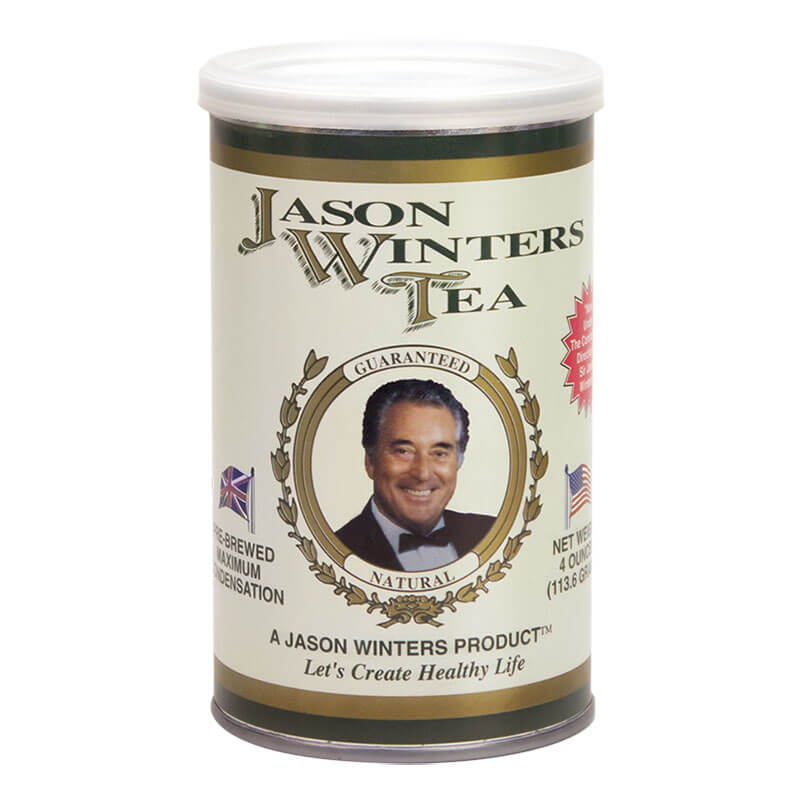
Pre-Brewed Original Blend for maximum convenience
Let’s be honest: some days you don’t have time for the full ritual. You’re in back-to-back meetings, you’re traveling, or you’re dealing with a crisis that demands immediate attention.
The Pre-Brewed Original Blend exists for these moments. It’s the same formula in concentrated loose leaf form. Add hot water, stir, and you have your stress-relief tool in 1 – 2 minutes.
While the full ritual provides maximum benefit, the pre-brewed version ensures you don’t abandon the practice entirely on your most stressful days. Consistency matters more than perfection. Having the pre-brewed option means stress relief remains accessible even when time isn’t.
Keep it in your desk drawer, your car, or your travel bag. When the pressure spikes and you feel yourself heading toward reactive mode, you have an immediate tool for creating a pause and resetting your nervous system.
Building your rotation
Many people find that using different blends for different contexts helps maintain the practice long-term. Maybe the Original Blend is your morning reset, the Classic with Chaparral is your afternoon grounding, and the Pre-Brewed is your emergency backup.
This variety prevents the ritual from becoming rote. Each blend creates a slightly different experience, keeping your attention engaged with the practice rather than doing it on autopilot.
You can explore the complete Stress Support Tea collection to find the combination that works best for your specific stress patterns and schedule.

Small Habits That Create Calm

Conclusion
Stress isn’t going away. The demands on your time, energy, and attention will likely continue and possibly intensify. This is the reality of modern life, and no amount of positive thinking changes it.
But you have more control than you might think. Not over external circumstances, but over how you meet them. Not over what happens to you, but over what happens within you in response.
Herbal tea for stressful days isn’t a cure-all. It won’t eliminate your deadlines, solve your relationship challenges, or fix broken systems at work. What it can do is create repeated moments throughout your day where you deliberately step out of reaction mode and into intentional presence.
Those moments accumulate. They teach your nervous system that calm is possible, that safety exists, that you have agency even in chaos. The tea—whether it’s the Sir Jason Winters Original Blend, the Classic with Chaparral, or the convenient Pre-Brewed option—becomes the vehicle for this teaching.
But only if you actually use it. Not someday when things slow down. Not when you’ve earned it. Not when you’re less busy. Now. Today. In the middle of the stress, not after it.
Five minutes. One cup. Deliberate presence. This is how sustainable stress resilience gets built—not through grand gestures or perfect conditions, but through small, consistent practices that remind you who you are beyond your to-do list.
Start today. Not tomorrow. Not Monday. Today. Your nervous system is waiting for permission to rest, even briefly. Give it that gift.
Explore the Stress Support Tea collection to find your calm cup, or visit the Mental Wellness Blog for additional practices that support stress resilience.
FAQ’s
How often should I drink tea for stress relief?
The most effective approach is consistency over intensity. Many people find that two deliberate tea breaks per day—mid-morning around 10 AM and mid-afternoon around 3 PM—create measurable benefits for stress management. These strategic pauses help prevent stress accumulation rather than react to it. Sir Jason Winters teas are traditionally used as part of daily wellness routines and are gentle enough for regular use.
Will these teas make me drowsy or unable to work?
No. Sir Jason Winters teas support calm alertness rather than sedation. The traditional herbal blends help you feel centered and less reactive while maintaining mental clarity and function. This makes them appropriate for use during the workday when you need to remain focused and productive. You’re working toward grounded presence, not checking out.
When is the best time to drink tea for stress during the day?
The most strategic times are during natural energy dips—mid-morning (around 10 AM) and mid-afternoon (around 3 PM). These proactive breaks prevent stress buildup before it becomes overwhelming. Some people also use evening tea as a transition ritual to signal the end of work time and the beginning of rest. The key is scheduling your tea breaks in your calendar like meetings rather than waiting until stress becomes unmanageable.
What’s the difference between the Original Blend and the Classic Blend with Chaparral?
The Sir Jason Winters Original Herbal Tea Blend combines red clover, sage, and Herbalene in balanced proportions suitable for people new to using tea as a stress management tool. The Classic Blend with Chaparral adds an additional layer of traditional herbal support with a more robust, earthy flavor. Some people prefer the Classic Blend during periods of particularly intense or sustained stress. Both support your body’s natural ability to find balance rather than forcing a specific state.
Can I combine tea rituals with other stress management practices?
Yes, and this often multiplies the benefits. Many people pair their tea time with simple breathing exercises while the tea steeps, practice brief gratitude reflections with the first sip, or use evening tea time for a simple day review. These complementary practices work together to create more resilient nervous system regulation. Just ensure you’re not adding so many elements that the practice becomes another stressor on your to-do list.
Are these teas safe for daily, long-term use?
Sir Jason Winters teas have been traditionally used as part of daily wellness routines for decades. The gentle herbal blends are formulated for regular use rather than short-term intervention. However, if you have specific health conditions, are pregnant or nursing, or take medications, consult with a qualified healthcare professional before beginning any new herbal regimen.