
You’ve tried everything. The blue light filters. The meditation apps. The expensive pillow that promised to change your life. Yet here you are at 11 PM, still scrolling, still restless, watching another night slip away. The truth is, most sleep advice focuses on what to avoid rather than what to embrace. What if the answer isn’t about cutting something out, but about adding something meaningful in?
A nighttime routine isn’t just a series of tasks before bed. It’s a signal to your mind and body that the day is done, that it’s time to let go. And for generations, people have turned to one simple ritual to mark that transition: herbal tea for better sleep routines. Not as a magic solution, but as a gentle anchor in the chaos of modern life.

Why Nighttime Routines Matter
Your Body Needs Consistent Signals
Your body doesn’t have an off switch. It needs cues—consistent, calming signals that tell it when to wind down. Without these cues, your mind keeps running, replaying the day’s stresses, planning tomorrow’s challenges, never quite settling into rest.
The science behind this is surprisingly straightforward. Your circadian rhythm, the internal clock that regulates sleep and wakefulness, responds to patterns. When you do the same calming activities at roughly the same time each evening, you’re training your body to recognize that sleep is approaching. This isn’t about rigid schedules or perfect execution. It’s about creating a reliable rhythm your nervous system can trust.
Simple Routines Actually Stick
Here’s what most people get wrong: they think a nighttime routine has to be elaborate. Thirty minutes of stretching, journaling, skincare, meditation—it sounds exhausting before you even begin. The routines that actually stick are simple. They’re so easy you can do them even on your worst days.
That’s where herbal tea fits naturally:
- Brewing a cup takes five minutes
- Drinking it takes ten
- Those fifteen minutes become the dividing line between your day and your night
The Ritual Creates the Shift
The ritual itself matters as much as the tea. The act of boiling water, choosing your blend, waiting while it steeps—these small pauses force you into the present moment. You’re not checking email or planning tomorrow. You’re just here, with steam rising from your cup, with warmth spreading through your hands. That simple shift in attention is what your nervous system has been craving all day.

Teas That Help You Relax
Time-Tested Herbs for Evening Calm
Finding the right herbal tea for better sleep routines starts with understanding which herbs have traditionally supported evening calm. Not all herbal teas are created equal when it comes to evening rituals. Some herbs have been valued for centuries specifically because they support relaxation and help quiet an overactive mind.
Chamomile is probably the most recognized evening herb, and for good reason. This gentle flower has been used in traditional wellness practices across cultures for its naturally calming properties. Many people find that chamomile tea helps them unwind after a stressful day, making it a staple in bedtime routines worldwide.
Passionflower is another herb with a long history of traditional use for promoting calmness. Native to the Americas, it was valued by indigenous cultures and later adopted into European herbal traditions. Passionflower tea is often chosen by those seeking to quiet racing thoughts that keep them awake at night.
Valerian root has been used for over 2,000 years as a natural way to support relaxation. While its earthy, slightly bitter taste isn’t for everyone, many wellness enthusiasts swear by valerian for particularly restless nights. The National Institutes of Health notes that valerian has been traditionally used to support sleep quality, though individual experiences vary.
Lavender isn’t just for sachets and bath products. When brewed as tea, lavender brings the same gentle, floral qualities that have made it a cornerstone of relaxation rituals for generations. Its calming aroma alone can signal to your brain that it’s time to slow down.
Finding Your Perfect Blend
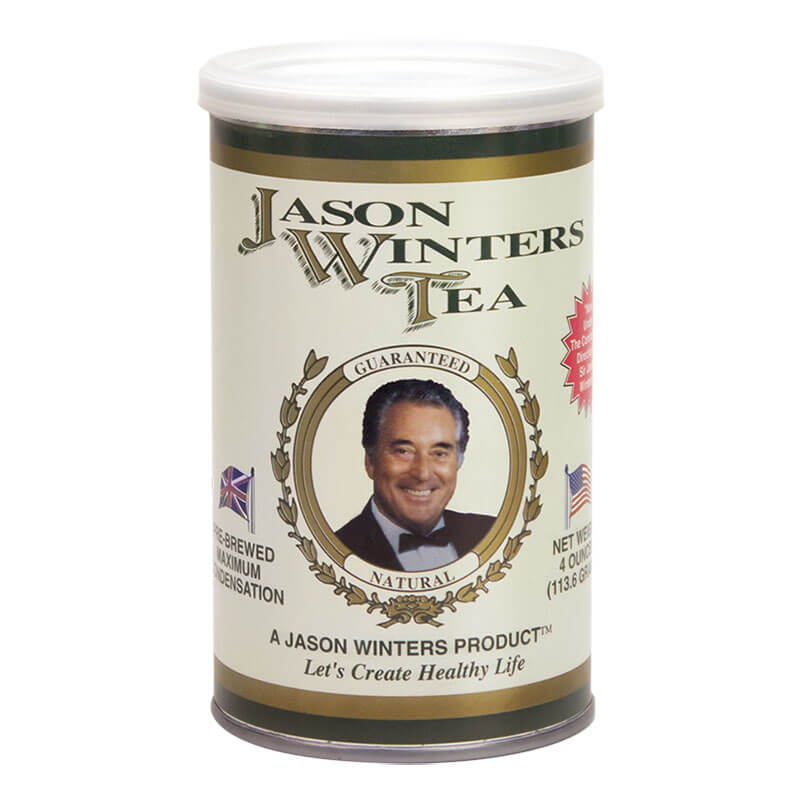
Sir Jason Winters teas incorporate these time-tested herbs into carefully crafted blends. The Classic Blend combines red clover, sage, and herbal spice in a formula that’s been trusted for decades. The Sir Jason Winters Original Blend with Chaparral offers another time-tested caffeine-free option for those building consistent evening tea routines. For those specifically building evening routines, these traditional combinations offer a foundation that generations have relied on.
The key is finding what works for your palate and your needs:
- Some people prefer single-herb teas to isolate specific calming properties
- Others appreciate blended teas where complementary herbs work together
- There’s no wrong choice—only what feels right for your routine

Building a Simple Tea Ritual
Choose Your Timing
Creating a consistent bedtime ritual tea practice doesn’t require elaborate preparation—just intention and simplicity. The difference between drinking tea and having a tea ritual is intentionality. A ritual is something you do the same way, at the same time, with the same attention. It becomes a signal, a trusted pattern that tells your body what’s coming next.
Start by choosing your time. Most people find that beginning their tea ritual 30-60 minutes before bed works best. This gives you time to finish your cup, let the warmth settle, and transition into sleep preparation without rushing. The timing matters less than the consistency—your body learns when to expect this cue.
Create Your Space
Create your space intentionally. This doesn’t require a dedicated tea corner or expensive equipment. It just means having a spot where you can sit comfortably, away from screens and work. Maybe it’s your favorite chair by the window. Maybe it’s a corner of your couch with a soft blanket nearby. The space should feel separate from the day’s demands, even if it’s just a shift in how you occupy your living room.
Make Preparation Part of the Practice
The preparation itself becomes part of the calming process:
- Measure your tea with attention rather than rushing
- Watch the water as it heats
- Notice the steam rising from your cup as the tea steeps
- Use these moments for intentional waiting, not productivity
While your tea steeps, resist the urge to scroll your phone or catch up on work. This is intentional waiting time. Some people use these few minutes to set out clothes for the next day or prepare their bedroom. Others simply sit and let their mind wander. The point isn’t to be productive—it’s to be present.
Drink with Attention
As you drink, pay attention to the sensory experience. The warmth of the cup in your hands. The steam carrying herbal aromas to your nose. The taste unfolding as each sip cools slightly. You’re not just consuming a beverage; you’re participating in a practice that signals safety and rest to your nervous system.
This ritual doesn’t have to be silent or solemn. You can enjoy your tea while having a quiet conversation with family, reading a few pages of fiction, or listening to calming music. The key is keeping the activity low-stimulation and screen-free. You’re transitioning, not entertaining yourself into exhaustion.

Tips for Better Sleep in 2026

Conclusion
Real change in your nighttime routine doesn’t come from adding more tasks to an already exhausting day. It comes from finding one simple, sustainable practice that your body can trust—like herbal tea for better sleep routines—night after night, season after season. For many people, that anchor is a warm cup of herbal tea, steeped with intention and sipped without distraction. Not because tea solves sleep problems on its own, but because it creates the space and the signal your nervous system needs to finally let go of the day. Sir Jason Winters has spent decades honoring the herbal traditions that support these quiet moments of transition. Explore the complete collection of caffeine-free bedtime teas to discover your perfect nighttime blend. Start tonight. Boil the water. Choose your blend. And give yourself permission to simply rest.
FAQ’s
What’s the best time to drink herbal tea for better sleep routines?
Most people find that drinking herbal tea for better sleep routines works best 30-60 minutes before bed. This timing allows you to finish your bedtime ritual tea, let the warmth settle, and transition into sleep preparation without feeling rushed to the bathroom in the middle of the night. Sir Jason Winters caffeine-free blends are specifically formulated for evening use, making them ideal for consistent nighttime routines. The consistency of timing matters more than the exact hour—your body learns to recognize this evening tea ritual as a wind-down signal when you practice it regularly. Most people find that beginning their tea ritual between 8:30-10:00 PM (depending on their usual bedtime) creates the perfect transition from active evening to restful night.
Can I drink bedtime ritual tea every night, or should I take breaks?
Traditional herbal teas like chamomile, passionflower, and lavender are gentle enough for nightly use as part of your bedtime routine. Unlike sleep medications, these herbs support your body’s natural relaxation processes rather than forcing a response. Herbal tea for better sleep routines becomes more effective with consistent daily use—your nervous system begins to recognize the ritual as a sleep cue after 2-3 weeks of regular practice. Sir Jason Winters blends are specifically crafted for safe, long-term daily use, combining time-tested herbs in balanced formulations that support rather than disrupt your body’s natural rhythms. Many people have maintained nightly tea rituals for years without issues. However, individual needs vary, so listen to your body and consult a healthcare provider if you have specific concerns about long-term herbal use.
Will herbal tea make me need to use the bathroom during the night?
This is one of the most common concerns about evening calming drinks and bedtime tea rituals. The key is moderation and timing—a standard 8-ounce cup of herbal tea typically doesn’t cause nighttime disruption if you drink it an hour before bed. Sir Jason Winters caffeine-free teas are designed for evening use without causing sleep interruption or frequent bathroom trips. If you’re particularly sensitive to fluids before sleep, you can brew a stronger tea with less water (steep 2 teaspoons in 6 ounces instead of 8), sipping it slowly over 15-20 minutes rather than drinking it quickly. Most people find their nighttime tea routine doesn’t affect bathroom trips once they establish consistent timing. The gentle nature of traditional evening herbs supports relaxation without the diuretic effects of caffeinated beverages.
How do I choose between different calming evening drinks and teas?
When building your herbal tea for better sleep routines, start with herbs that have the longest traditional use for relaxation: chamomile, passionflower, lavender, or valerian. Try each one individually first to understand how your body responds to different calming evening drinks. Many people eventually prefer blended teas where multiple herbs work synergistically together. The Sir Jason Winters Classic Blend with Sage combines red clover, sage, and Herbalene in a formula refined over decades, offering a balanced starting point for those new to bedtime ritual tea practices. The Original Blend with Chaparral provides an equally trusted caffeine-free foundation for evening routines. Choose based on your taste preferences—some prefer floral notes, others earthy flavors. What matters most is finding a blend you genuinely enjoy, as the ritual only works if you look forward to it each evening.