What You Need to Know About Herbal Tea
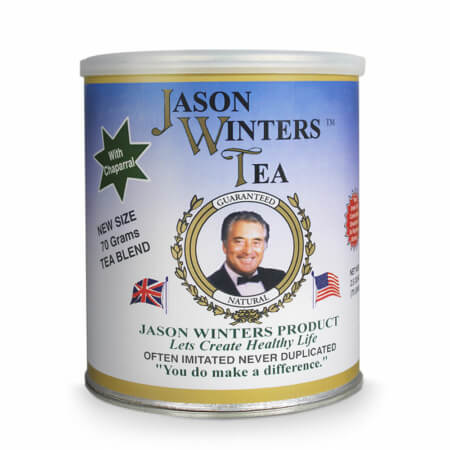
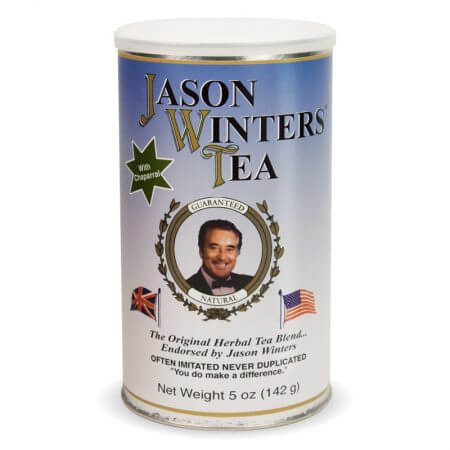
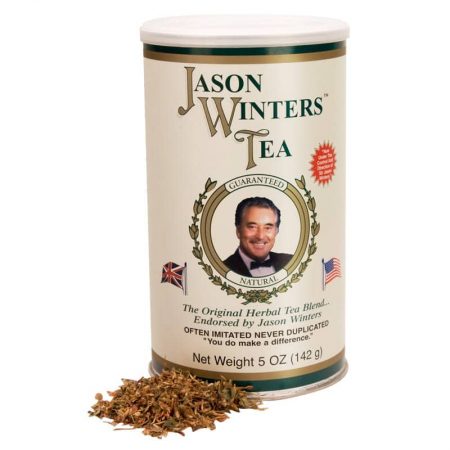
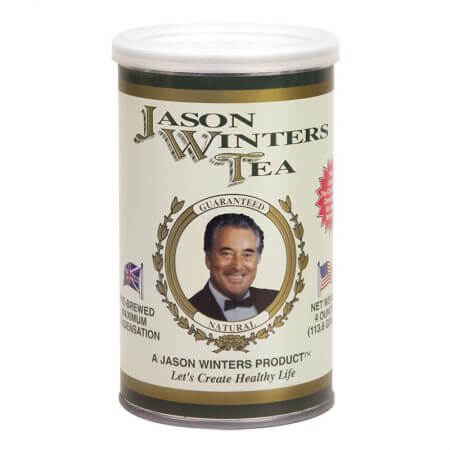
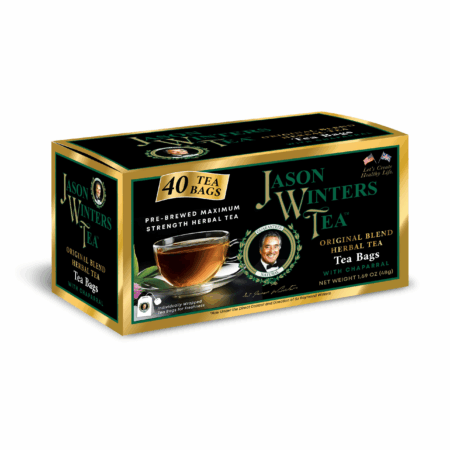
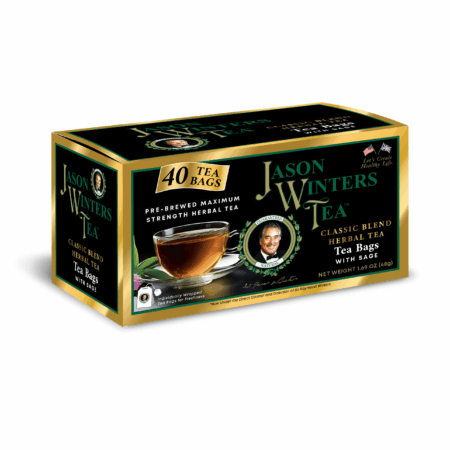
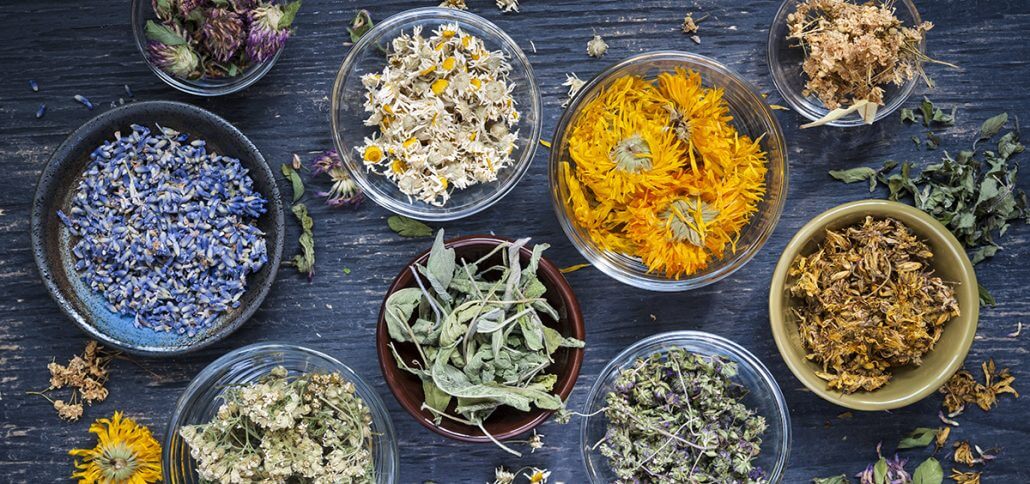
Herbal tea is a caffeine-free drink made by steeping herbs, roots, flowers, or spices in hot water. Unlike green or black tea, herbal teas do not come from the Camellia sinensis plant, which means they are naturally free of caffeine. They have been used for thousands of years across many cultures for their taste and traditional wellness benefits. Jason Winters herbal teas combine carefully selected herbs into one blend, making it easy to enjoy multiple ingredients in a single cup.
There are several legends from different cultures about how herbal teas were discovered and how they were to be used for health and pleasure. It is certainly one of our oldest medicines. But just what is herbal tea, and why have we used this method for so long? Which herbs should you choose for your herbal teas? We’re going to explore all of these questions. By the end of this piece, you should feel comfortable with ordering and using herbal teas.
Is it really tea?
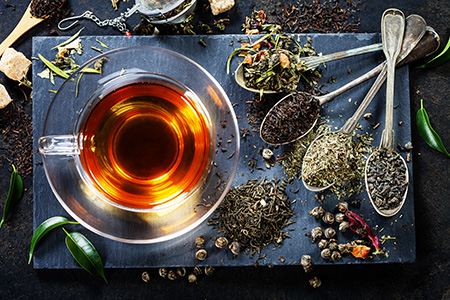
Some tea experts get really uptight about using the word ‘tea’ for herbal teas. They would prefer to use the word “tisane”, an older French word for barley tea that has since been used for all herbal teas, though that word isn’t well-known.
In Asia, on the other hand, they aren’t concerned with the name. The word for all kinds of tea in Mandarin is cha. They just add adjectives to show the difference between green tea, black tea, milk tea, and medicinal teas. It’s all tea to them.
How are herbal teas prepared?
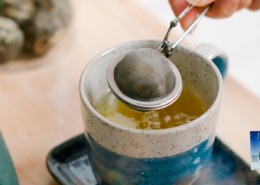
Unless you follow some traditional herbalist path, you may not know the words infusion or decoction. If you’ve ever made standard tea, you’ve done an infusion. This is when you place plant material in hot water for a few minutes. The hot water draws compounds out of the herbs that give the tea its flavor and action.
A decoction is a stronger form of infusion. Decoctions are boiled for several minutes rather than just steeped like an infusion. Decoction is usually done with harder woody materials like roots. Infusion would take too long or not be hot enough to draw out all of the benefits of these materials.
In some medicinal combinations, usually doctor-prescribed, both processes might be performed. Roots might be decocted, then once that is done the decoction might be heated so additional herbs can be infused.
Most herbal teas sold are infusions to make the process simple for consumers, but if you plan on making your own you need to know how herbalists describe how to prepare the plants. For teas, infusion and decoction are the two key terms. The manufacturer or your doctors will tell you how long to do it for and your water-to-herb proportions.
Why not just eat them?
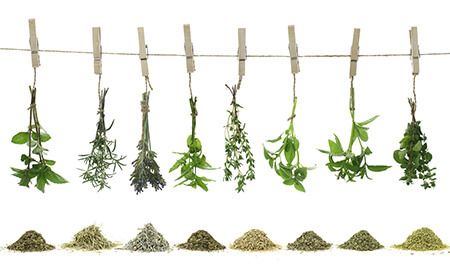
Each method has its pros and cons. What’s appropriate for one herb may not be good for another. Few people would want to chew on a root as their medicine, but an herbal tea makes consuming the root much easier. Additionally, you can soak quite a lot of plant material into a single cup of tea, creating a concentrate that’s much easier to take than eating a sizeable pile of dried leaves.
Where teas really shine is their ability to combine different herbs very easily into the same brew. It’s rare that an herbalist will give you a single herb to take. Herbs have been found to work together in ways that would make them more potent than taken alone. Sir Jason Winters Tea takes advantage of this by combining three herbs together to get its potent effects. By infusing them all at once, you get their combined benefits in one cup.
Can I make my own recipes?
If you want to craft your own recipes, or add herbs to existing recipes, you need to receive training in an herbalist tradition of your choice. Also, you should NEVER add any herbs or anything other than a natural sweetener to our Jason Winters Tea, as it has been used for about 40 years with the same tried and true formulation.
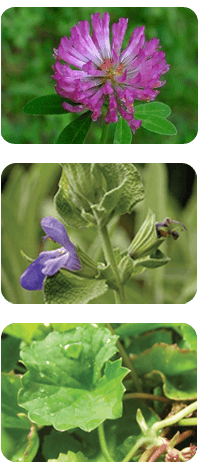
We have an extensive description of the herbs that we use in our teas on our teas on our Herbs page, but here are some of the herbs we use and their potential purposes. Herbalists have a complex language for describing the actions of herbs. We’ll use simpler language here:
Red Clover – Balances nerve function, anti-tumor, anti-sore
Indian Sage – Cleanses the blood, removes phlegm, strengthens the body overall
Herbalene – A balancing combination of herbs and spices for the whole body, especially the immune system
Burdock – Skin conditions, blood purification, anti-tumor
Cayenne – Balances the body, especially weak bodies. Good for cold, rheumatism, and depression. Often combined with other herbs to make them work faster.
Elecampane – Chest and lung conditions, colds
For a full list of the herbs we use, see the Herbs page linked above.
When used according to the directions, herbal teas can be a powerful addition to your diet. We want to invite you to try giving Jason Winters Tea a try so you can experience the effects for yourself. This tasty formula has been used by thousands of people safely as part of their daily regimen. To learn more about it, read our story at the link at the top of the page.
Jason Winters has been blending premium herbal teas for 45+ years. Made in the USA. Ships worldwide.
Made in the USA · 90-day money-back guarantee · Trusted in 70+ countries