
Herbal tea is one of the easiest wellness habits to start, and one of the easiest to get slightly wrong. Water that never quite got hot enough. A steep cut short because the timer felt long. None of it ruins a cup, but it does change what ends up in it. Learning how to brew herbal tea properly takes about ten minutes of reading and no special equipment. This guide covers the basics and the finer points, so your first cup and every cup after it is worth drinking.

What Is Herbal Tea? (And How Is It Different from Regular Tea?)
Herbal tea is not made from the tea plant. Green, black, white, and oolong all come from Camellia sinensis. Herbal tea, which the trade calls a tisane, is an infusion of herbs, roots, flowers, bark, and spices steeped in hot water. Harvard Health explains the same distinction in its overview of herbal teas, noting that tisanes are infusions rather than tea in the botanical sense.
Because there is no tea leaf in the blend, most herbal teas carry no caffeine at all. That is the practical difference for most people. Caffeine is not part of the decision about when you drink it.
One caveat is worth knowing early, because it trips up a lot of shoppers. Some products sold as herbal are blended onto a tea base, which means they do contain naturally occurring caffeine. The ingredient panel will tell you. If you see oolong, green, or black tea listed, caffeine is in there.
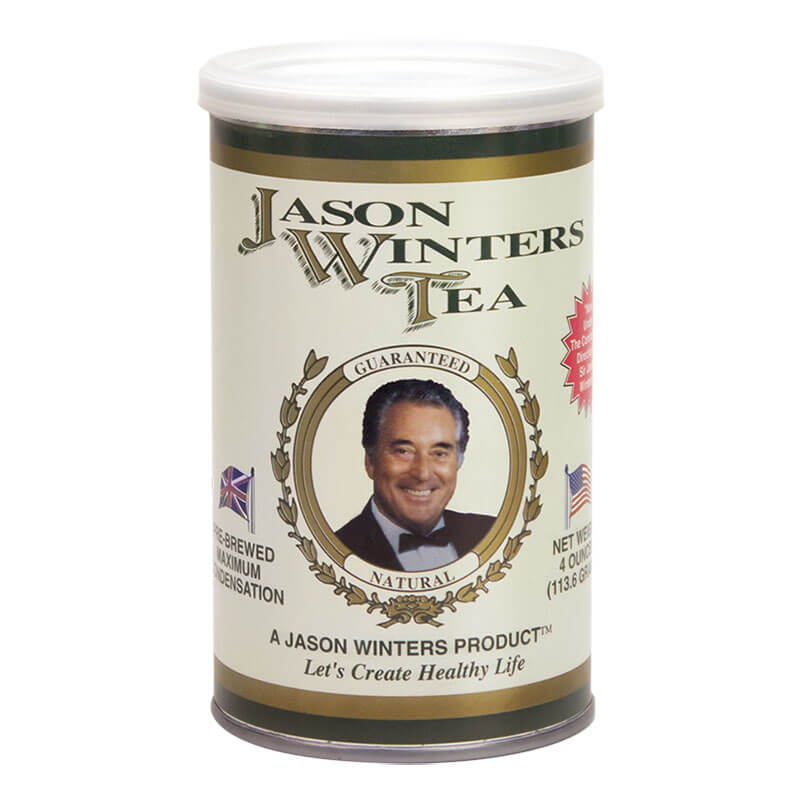
Jason Winters herbal teas combine traditional herbs into one finished blend, so there is no measuring or mixing on your end. If you want the longer background on how tisanes work, what you need to know about herbal tea goes deeper.
Equipment You Will Need
Very little. A kettle, something to hold the tea, and a timer will get you through your first month.
The essentials:
- A kettle. An electric one with temperature control is nice, not necessary.
- A mug or teapot. Any mug works for tea bags. For loose leaf, a teapot with an infuser basket gives the herbs room.
- A timer. Your phone is fine.
For loose leaf, you need something to contain the herbs while they expand. A tea ball, an infuser basket, or a disposable T-Sac tea filter bag all work. Go for the roomier option where you can. Herbs that stay packed tight do not release much.
For tea bags, nothing extra. Steep, remove, drink.
The Jason Winters tea range comes in both loose leaf canisters and tea bags, so your equipment choice can follow whichever format suits your routine.
Water Temperature and Steep Times
If you only remember one thing about how to brew herbal tea, make it this section. Most beginners go wrong in the same direction. They treat herbal tea like green tea, using cooler water and a short steep, and end up with something thin and disappointing that they blame on the tea.
Herbal tea is the opposite of delicate. Herbs, roots, and bark need real heat and real time to give anything up. A green tea leaf is a young shoot that surrenders its flavor in ninety seconds. Dried root and bark will not do that no matter how patient you are.
| Tea Type | Water Temperature | Steep Time |
|---|---|---|
| Herbal tea (loose leaf) | Full boil, 100°C / 212°F | 10–15 minutes |
| Herbal tea bags and sachets | Full boil, 100°C / 212°F | 1–3 minutes |
| Green tea | 75–80°C / 165–175°F | 2–3 minutes |
Follow the package first. Ranges are a starting point, not a rule. Sir Jason Winters loose leaf calls for two teaspoons per pint of boiling water with a 15 minute steep. The tea bags call for one bag in boiled water for 1–2 minutes. Those numbers come from the product, so they beat any general chart.
Boiling water is correct for herbal tea. The warning about scorching applies to green and white tea, which turn bitter fast. Your chamomile will not.
Cover your cup while it steeps. A saucer or small plate holds in the heat and the volatile oils that carry most of the aroma.

Loose Leaf vs Tea Bags: Which Should You Choose?
Both are good. They are good at different things, and the honest answer depends on how much friction you will tolerate on a weekday morning.
Loose leaf gives you more control. You decide the strength, the leaves have room to open, and the value per cup is better. A 5 oz canister of Original Blend holds 70 servings. It is caffeine free, and the blend is herbs only. The trade-off is that you need an infuser and you need to clean it.
Tea bags win on convenience. No measuring, no equipment, easy to travel with, easy to keep at a desk. Worth knowing before you buy: the Original Blend tea bags are made by extracting the herbs and applying the concentrate to an oolong tea base, so unlike the loose leaf canisters, they contain naturally occurring caffeine. For a morning cup that is often a plus. If you want something at bedtime, reach for the loose leaf canister instead.
Which Jason Winters Tea Should a Beginner Start With?
Start with the one whose flavor you will actually want tomorrow. Four options cover most beginners.
Original Blend with Chaparral is the original formula and the one the brand is known for. Earthy, herbal, a little bitter. This is the classic Sir Jason Winters experience, available as loose leaf or tea bags.
Classic Blend with Sage uses Indian sage in place of chaparral, with the same base formula behind it. The taste is softer. If you are unsure about the earthiness of the original, start here.
Chamomile Comfort is the most familiar flavor on the list. Inside are chamomile flowers, lemongrass, spearmint, and lavender. Caffeine free, soft, lightly floral, and about as approachable as a first herbal tea gets. Chamomile Comfort is the low-risk pick for anyone who has never bought loose herbs before.
One advisory before you choose. Jason Winters Tea and Tribalene with chaparral contain a very small percent of the chaparral herb. However, we recommend that anyone with any kind of liver dysfunction or disease should not use chaparral. Jason Winters Tea and Tribalene with Indian Sage are available as an alternative.

Tips for Enhancing Flavor and Aroma
Small adjustments change more than most people expect. None of these require buying anything, and the first two do most of the work.
- Use filtered water. Chlorine in tap water is the single most common reason a good tea tastes flat.
- Warm your mug first. Pour in hot water, swirl, discard, then brew. Cold ceramic pulls heat out of the water immediately.
- Add honey or lemon. Both sit alongside herbal blends without covering them. Sugar tends to flatten the herbs.
- Drink it hot. Herbal tea changes character as it cools, and not usually in a direction you want.
- Try it iced. Brew at double strength and pour over ice. Garden Therapy Herbal works particularly well cold, as does Chamomile Comfort.
- Store it properly. Sealed container, away from light, heat, and moisture. Not above the stove.
Building a Simple Daily Tea Habit
Pick one time of day and only one. Morning or evening, not both. Two new habits at once is how people end up with neither.
Set out your mug and your tea the night before. It sounds trivial. That one step is the difference between a habit that survives a busy Tuesday and one that quietly does not.
Give the routine a few weeks before you judge whether it fits your day. Most habits feel awkward before they feel automatic, and a tea ritual is no exception. The first week you will forget. By the second you will remember, then resent the wait. Somewhere after that it stops being a decision.
Anchor it to something you already do without thinking. After you brush your teeth, before you open your laptop, once the kids are down. New habits attach to old ones far more reliably than they attach to intentions.
Easy beats perfect. A slightly under-steeped cup you actually drink is worth more than the ideal cup you never get around to making.