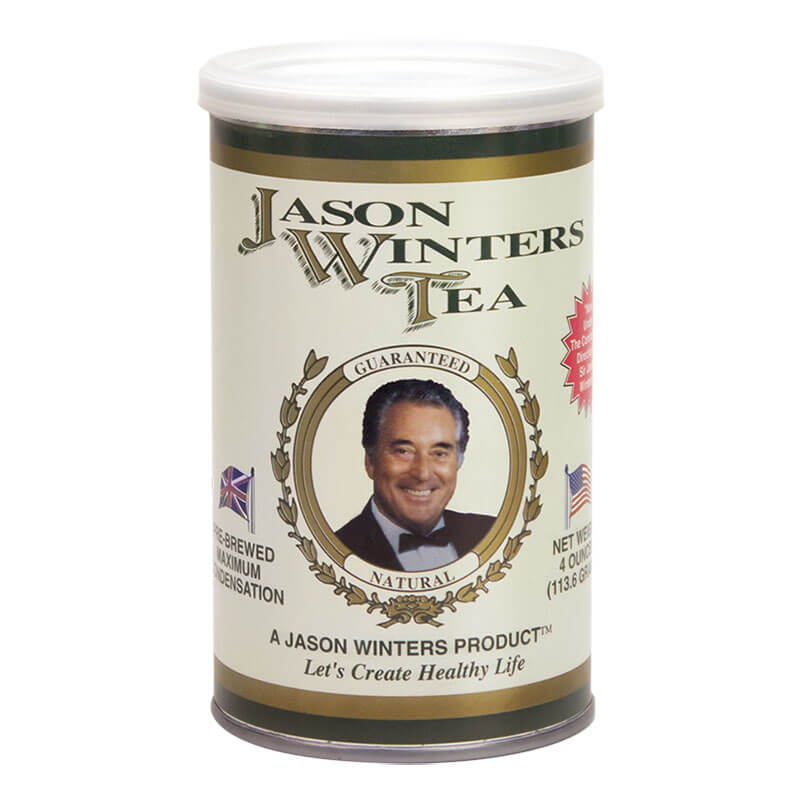

By hour three of a climb, your body stops negotiating. Outdoor sports ask for sustained physical output, often in heat or at altitude, and the supplement aisle built to serve that output leans hard on stimulants. Some pre-workout formulas carry up to 500 mg of caffeine in a single serving, more than five cups of coffee taken at once. Sir Jason Winters starts from a different place: herbal and nutritional formulas built for daily use, made for people who want to feel roughly the same on the descent as they did at the trailhead.

What Your Body Actually Needs for Outdoor Activity
Four demands. Most supplements for outdoor sports address one or two of them and market themselves as though they cover all four.
Sustained energy. Not a spike. A long hike or a five-hour ride draws on cellular energy production over hours, and stimulants do nothing for the underlying machinery. They make you feel more awake while it runs down.
Joint support. Descending is harder on knees than climbing is. Hikers feel it in the last mile. Cyclists feel it in the hips after a heavy week, and anyone doing high-impact activity past forty tends to notice the recovery window stretching out.
General wellness support. Long efforts, short sleep in a tent, temperature swings. Sustained output and a disrupted routine come with any multi-day trip. Worth saying plainly: no supplement in any category prevents illness, and nothing on this page is intended to. Rest and food do the heavy lifting.
Post-activity recovery. What you do in the two hours after an outing frequently matters more than what you took before it.
Nutrition sits underneath all four. Mayo Clinic’s guidance on eating and exercise recommends large meals 3–4 hours before exercising, smaller meals or snacks 1–3 hours before, and a meal with both carbohydrates and protein within two hours afterward. On fluids, the American College of Sports Medicine benchmark cited there works out to roughly 2–3 cups of water in the 2–3 hours before you start.
No supplement fixes a nutritional base that is not there. Supplements fill gaps. Keep that in mind through the rest of this guide.
SJW Supplements for Energy and Endurance
Natural energy supplements for athletes work on a different principle than stimulants do. The approach here feeds the systems that produce energy instead of overriding the signals that say you are tired, which is also why people tend to evaluate herbal supplements for endurance over weeks of consistent use rather than within a single session. Three SJW products cover that ground from different angles.
Ashwagandha Extract Gummy. Ashwagandha (Withania somnifera), sometimes called Indian Ginseng, is an adaptogen traditionally used to support relaxation, a sense of balance, and a healthy response to everyday stress. Each serving delivers the equivalent of 750 mg of ashwagandha root powder along with vitamin D and zinc. One gummy daily, preferably with food. Sixty per bottle, cherry flavored, which matters more than it should when you are trying to keep a habit going. Most of the interest in ashwagandha for athletes sits on the stress side of training load rather than raw output. That framing is deliberate. It describes traditional use, not a proven clinical outcome, and it is the accurate way to talk about what an adaptogen is doing in a daily routine. Shop the Ashwagandha Extract Gummy.
CoEnzyme Q10 Supplement. CoQ10 is involved in cellular energy production, which is why it draws interest from endurance athletes specifically rather than the general gym crowd. This formula provides 100 mg of Coenzyme Q10 (ubiquinone) per liquid capsule in an olive oil base, non-GMO, 60 capsules per bottle. Suggested use is one liquid capsule taken one to two times daily, preferably with meals. Shop the CoEnzyme Q10 Supplement.
Adult Multivitamin Gummy. High-output weekends have a way of quietly widening nutritional gaps, particularly when meals get replaced by whatever fits in a pack. This gummy covers the daily base: 90 per bottle, gluten free, taken as one in the morning and one in the evening to spread the nutrition across the day. It contains coconut, so it carries a tree nut allergen warning. Shop the Adult Multivitamin Gummy.
These statements have not been evaluated by the Food and Drug Administration. This product is not intended to diagnose, treat, cure, or prevent any disease.

SJW Supplements for Joint and Recovery Support
Recovery is where most people under-invest, usually because nothing feels wrong until the third consecutive weekend out. Joint support for outdoor activities and supplements for muscle recovery get treated as optional right up until the point they are not. These are the three SJW products that speak to joint comfort and daily recovery support.
Glucosamine Joint Matrix. This is the most ingredient-dense formula in the SJW lineup, built around glucosamine sulfate, chondroitin sulfate, and MSM, with New Zealand green-lipped sea mussel, boron and trace minerals, yucca root and devil’s claw. It is designed to help support joint mobility, flexibility, and everyday wellness, with occasional joint stiffness and reduced flexibility as the target complaints. Suggested use is two tablets taken one to three times daily, preferably with meals. One thing to check before you buy: it contains crustacean shellfish (lobster, shrimp and crab), and it is not intended for pregnant or nursing mothers or anyone under 18. Shop the Glucosamine Joint Matrix.
Flaxseed Oil Supplement. A plant-derived source of omega-3 fatty acids, specifically alpha-linolenic acid (ALA), at 1000 mg of flaxseed oil per softgel. It is positioned to help support overall wellness and daily nutritional balance rather than any single outcome. One hundred softgels per bottle, one softgel one to two times daily with meals. One detail worth knowing if it matters to you: the oil is plant-derived, but the softgel shell is bovine gelatin. Shop the Flaxseed Oil Supplement.
Black Currant Seed Oil. The reason this one exists alongside flaxseed oil is GLA. Black Currant Seed Oil is a source of essential fatty acids providing 14% GLA per softgel, close to double that of evening primrose oil, plus ALA. Fifty softgels per bottle, two softgels daily. If you are already taking flaxseed oil and wondering whether this is redundant, it is not quite: GLA and ALA are different fatty acids, so the two overlap without duplicating each other. Which one belongs in your routine, or whether both do, is a question for your physician rather than an article. Shop the Black Currant Seed Oil.
These statements have not been evaluated by the Food and Drug Administration. This product is not intended to diagnose, treat, cure, or prevent any disease.

Pre and Post Adventure: How to Use SJW Supplements
Timing is less complicated than the sports nutrition industry makes it sound. Most of these are daily supplements, so the real question is not “when do I take this before a hike” but “what does my routine look like across a normal week.” Still, there is a sensible way to split it around a big outing.
Before Activity
Morning of, with breakfast, take one Ashwagandha Extract Gummy. Adaptogens are traditionally used for stress resilience rather than acute stimulation, so this is a routine item, not a pre-workout scoop.
CoQ10 goes with the same meal. One liquid capsule with food, since it is fat soluble and the olive oil base pairs better with a meal than with an empty stomach.
Your multivitamin gummy covers the nutritional base. Take one in the morning and save the second for evening.
None of this replaces eating and drinking properly before you go out. If you are choosing between getting your supplements in and getting 2–3 cups of water down in the hours before a long effort, drink the water.
After Activity
Glucosamine Joint Matrix is the post-activity item people in this category ask about most often. Two tablets with your recovery meal, assuming the crustacean shellfish allergen is not an issue for you.
Flaxseed oil goes in the same window, one or two softgels with food.
Then the part people skip: rest. A caffeine-free herbal tea in the evening supports the wind-down without adding a stimulant to a body that is already trying to settle. If you want the reasoning behind that, we covered it in caffeine-free energy: herbal teas that wake you up naturally, which walks through why the spike-and-crash cycle works against recovery.
SJW vs Synthetic Sports Supplements: What Is the Difference?
This is not a claim that stimulant-based sports formulas do not work. Plenty of them do exactly what they say on the tub. The real difference is what each category is designed to do, and the comparison is more useful framed that way than as better versus worse.
| Factor | Typical pre-workout and sports formulas | SJW supplements covered here |
|---|---|---|
| Primary design goal | Acute performance inside a single session | Daily nutritional and wellness support |
| Stimulant content | Frequently caffeine-forward, up to 500 mg per serving in some products | No added caffeine |
| Effect timing | Noticeable within the same session | Cumulative, assessed over weeks of consistent use |
| Intended use pattern | Often cycled or reserved for training days | Formulated for daily use |
| Documented side effects | Jitteriness, insomnia, nausea, increased heart rate, headaches, digestive upset | Individual tolerance varies. See allergen warnings below and consult your physician |
The side effect row is the one worth reading twice, and both columns matter. Healthline’s breakdown of pre-workout supplement side effects documents jitteriness, insomnia, nausea, increased heart rate and headaches from high caffeine loads, along with digestive upset from sodium bicarbonate and magnesium, and paresthesia from beta-alanine. That is the standard profile of a category built around acute stimulation.
The right column is not a blank space, though, and anyone who tells you a supplement has no downside is selling something. Herbal and nutritional supplements carry their own considerations: allergens, medication interactions, and ingredients that are not appropriate for everyone. Two specifics from the products on this page. Glucosamine Joint Matrix contains crustacean shellfish (lobster, shrimp and crab) and is not intended for pregnant or nursing mothers or anyone under 18. The Adult Multivitamin Gummy contains coconut and carries a tree nut allergen warning. If you take anticoagulants, blood pressure medication or any prescription drug, raise these with your physician before starting.
The timing row is the one people misread. A pre-workout formula is engineered for a session, and you will feel a scoop of it. You will not feel a multivitamin in twenty minutes, and you should be skeptical of anything in this category that promises you will.

Which SJW Supplement Is Right for Your Activity?
Different activities load the body differently, so the same routine will not suit a weekend walker and a trail runner. Treat what follows as starting points to discuss with your physician, not prescriptions.
Hiking and walking. Glucosamine Joint Matrix plus the Adult Multivitamin Gummy. Long, low-intensity time on feet is a joint question before it is an energy question.
Cycling and running. CoEnzyme Q10 Supplement plus the Ashwagandha Extract Gummy. Sustained cardiovascular output with a stress load on top of it.
Climbing and high-intensity. CoEnzyme Q10 Supplement, Flaxseed Oil Supplement and the Adult Multivitamin Gummy. Short bursts, high demand, and a recovery need that scales with intensity.
Recovery days. Flaxseed Oil Supplement or Black Currant Seed Oil, and a caffeine-free herbal tea. Recovery days are supposed to feel like recovery.
Sir Jason Winters has been formulating herbal and nutritional wellness products since Jason Winters developed the original herbal blend, and the line has stayed built around that approach rather than chasing the sports supplement market. If you are unsure where to start, the multivitamin plus one recovery oil is a reasonable first pair. Add from there.