
Tea is the most widely consumed drink in the world after water. Most of it gets made without much thought, steeped at a kitchen counter while something else demands attention. The art of tea is really just the decision to slow down, to choose a blend on purpose, brew it the way it was meant to be brewed, and sit with the result. This guide covers the traditions that shaped tea drinking, how to pair herbal blends with food, and how to build a ritual you will actually keep.

Tea Through the Ages: A Brief Cultural History
Tea culture is not one tradition. It is several, developed separately, for reasons that had very little to do with each other.
In China, the Gongfu ceremony treats a little leaf and a lot of attention as the entire point. The vessels are tiny. Six or eight infusions come off one measure of leaf, and the drinker is expected to notice how the third cup differs from the first. Precision over volume.
Japanese Chado grew out of Zen practice and turned preparation itself into the discipline. The whisking, the placement of the bowl, the order of movements are all choreography, and the tea ends up feeling like the residue of the ceremony rather than the object.
British afternoon tea went the other direction entirely. It’s social architecture, built around black tea, sandwiches, and the long mid-afternoon gap between lunch and a late dinner. Nobody is meditating.
Moroccan mint tea is hospitality made visible. Green tea, fresh mint, a great deal of sugar, poured from a height so the stream aerates and foams in the glass. Refusing a glass is a real slight. Because alcohol is absent from most of the region, mint tea picked up the nickname Berber whiskey, and the rich tradition of Moroccan mint tea still travels under it.
For a broader survey of how these traditions spread and diverged, BBC Culture has covered the global history of tea in depth.

Western Herbal Tea Traditions
Western herbal tea grew out of household practice rather than ceremony. In Europe, plants were dried, stored, and infused as part of ordinary domestic routine, kept in the pantry alongside salt and vinegar. Across the Americas, Indigenous plant knowledge developed along its own lines and was later documented, borrowed from, and frequently misattributed by settlers. The through-line is use rather than performance. Nobody was watching. A pot of something dried and steeped was closer to a kitchen habit than to an occasion, which is roughly how most herbal tea still gets drunk today.
That’s the tradition Sir Jason Winters worked inside. His account, as the brand documents it, is that a terminal diagnosis sent him traveling to study traditional herbal practices across several cultures rather than any single one. Red clover came from European pastures. Sage and chaparral he encountered in the arid Americas. The Herbalene spice blend that finishes the formula came out of the Far East, and drawing on three regions is why the result tastes like neither a European tisane nor a Chinese infusion.
He went on to write books and lecture widely, and the blend stayed in production. What survives is a record of one person’s search, documented by the company that grew out of it. Exploring the world of tea culture with Jason Winters International’s herbal teas covers more of that ground.

Pairing Herbal Tea with Food
Pairing herbal tea with food follows the same logic as wine. Match intensity or contrast it on purpose, and keep delicate infusions away from anything that will flatten them.
The Original Blend with Chaparral is the earthiest thing here. Red clover, chaparral, gotu kola, and the Herbalene spice give it enough weight to sit beside dark chocolate, toasted nuts, or a salty cracker. One caution belongs with it. Sir Jason Winters states that its teas and Tribalene with chaparral contain only a very small amount of the chaparral herb, and recommends that anyone with any kind of liver dysfunction or disease should not use chaparral. Indian Sage versions are offered as an alternative.
Classic Blend with Sage swaps chaparral for Indian sage leaf and keeps everything else. Sage pushes the cup slightly savory, which is why light sandwiches, mild cheese, and honey on toast sit alongside it.
Chamomile Comfort is floral and light. Shortbread, vanilla biscuits, and fruit are the safe partners. Anything smoked will bury it.
Moroccan Mint Green is green tea with peppermint leaves and natural peppermint flavor, and it carries a slight amount of caffeine. Mint after a rich meal is a North African convention with obvious sense behind it. Lamb, couscous, and honey pastries hold up well.
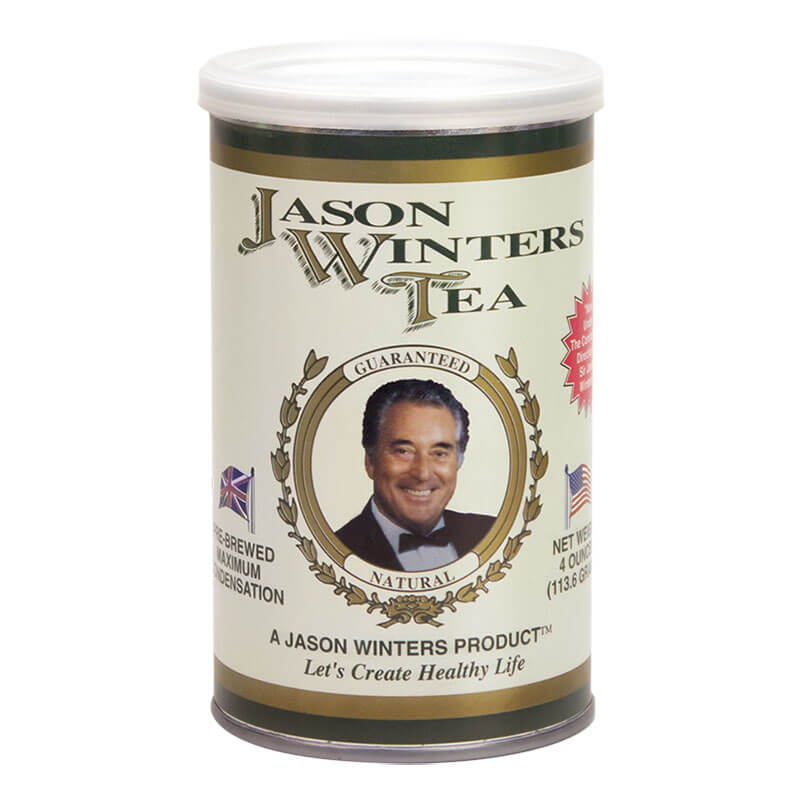
Pre-Brewed Tea Original is the Classic Blend formula with oolong added, so it contains naturally occurring caffeine. Half a teaspoon and one minute is all it asks, which tends to make it the option that survives an unplanned meal.
How to Build Your Own Tea Ritual
The writer Lin Yutang described tea as leading into “a world of quiet contemplation,” which is a lot to ask of a Tuesday. A tea ritual only survives if it’s small enough to repeat on a bad morning. The elaborate version collapses inside a week, usually without ceremony. What follows is roughly the minimum that still feels like a practice rather than a beverage. The art of tea, day to day, is mostly logistics.
Choose your tea intentionally
Decide by category, not by mood. The two bulk loose-leaf blends, Original and Classic, are both labeled caffeine-free, which leaves them workable at any hour including late evening. Chamomile Comfort sits in the same herbal category. Be deliberate about the ones with actual tea leaf in them. Moroccan Mint Green and Pre-Brewed Original both carry caffeine, so they belong earlier in the day if caffeine affects your sleep. That’s the whole decision. Sort by caffeine first, flavor second, and you won’t have to think about it again tomorrow.
Beyond that, pick for the hour you are in. A dense, earthy cup suits a slow start better than the back half of the afternoon. You’ll work out your own version within a fortnight. Deciding in advance matters because mornings are exactly when nobody wants to make a choice.
Get the brewing right
Follow the directions on the product you actually bought, because they vary more than you’d expect. The bulk loose-leaf Original and Classic blends call for two teaspoons per pint of boiling water, steeped a full 15 minutes. Fifteen minutes runs far longer than standard tea advice, and for these blends that’s deliberate. Pre-Brewed Original runs the opposite way, at half a teaspoon per 8 oz cup steeped for one minute. Moroccan Mint Green is a green tea and wants cooler water, roughly 175–185°F (79–85°C), with a short steep. Boiling water over green leaf turns bitter fast.
Loose leaf gives you more control and a fuller cup. Bags are faster and travel better. Neither is wrong. The Tea Association of the USA publishes general brewing guidance if you want a reference point outside any single brand.
Create the environment
Anchor the ritual to an object. Use the same cup or the same pot every time, because the object triggers the routine far more reliably than your intention to have one. Clear the first few minutes of screens, not the whole session, just the opening stretch. Two or three minutes is enough to register as a break, and short enough that you won’t negotiate with yourself about skipping it.
And sit down. Drinking tea standing at the counter turns it back into a beverage, which undoes everything above it. Where you sit matters less than the fact that the spot stays the same, because a fixed chair does the remembering for you.

Tips for Getting the Most from Jason Winters Herbal Tea
Storage does more for flavor than technique does. Loose leaf keeps best in a sealed container away from light, heat, and moisture, and the gap between a well-stored can and one left open shows up within a month.
Filtered water earns its place if your tap runs heavily chlorinated. Chlorine sits on top of herbal flavors in a way it does not with coffee.
Don’t squeeze the bag. Squeezing releases tannins and makes the cup bitter for no gain at all.
Pre-Brewed Tea Original is the travel answer. It’s a 4 oz concentrate rather than a ready-to-drink product, so hot water is still required, but half a teaspoon and one minute is a much smaller ask in a hotel room than 15 minutes with a strainer.
Try both Original and Classic before settling on one. They share red clover, gotu kola, and Herbalene, and differ only in chaparral versus Indian sage leaf. Same base, different character.