
You reached for the can again around 3pm. The meeting ran long, the workout is still ahead of you, and the crash from the last one is already setting in. That loop is familiar to anyone with a full calendar and a body they are trying to keep in motion. The question underneath it is simple. When you need to keep going, what are you actually reaching for?
This is where the SJW supplements vs energy drinks comparison gets interesting, because the two sit in very different categories. One is a caffeinated beverage. The other is a line of dietary supplements. People often search for clean energy options that fit an active lifestyle, so it is worth laying out plainly what each one is, and what each one is not.
Sir Jason Winters has spent decades in natural wellness, tracing back to founder Jason Winters and his search for herbs used in traditional wellness practice. That heritage shapes everything below. We will look at what energy drinks contain, how SJW supplements compare as products, what to keep in mind over the long run, and how to think through the choice for your own routine.

What Energy Drinks Deliver
Energy drinks are built around fast-acting ingredients, and it helps to be clear about what is in the can. The main components are caffeine and sugar, and both are worth understanding before they become a daily habit.
The Caffeine and Sugar Engine
Most energy drinks are built on two ingredients: caffeine and sugar. A single can often contains between 150 and 300 mg of caffeine. The Mayo Clinic notes that up to about 400 mg of caffeine a day appears to be safe for most healthy adults, so one or two cans can put you near that figure before you have counted your coffee.
The sugar content varies widely by brand. Many energy drinks contain a significant amount of added sugar per serving, which is worth checking on the nutrition label. Dietary guidance generally suggests keeping added sugar to a modest share of total daily calories. Reading the label on any given can tells you where it falls. Some brands also sell sugar-free versions that keep the caffeine while removing the sugar, so the two ingredients do not always travel together. The only reliable way to know what is in a specific product is to read its label rather than assume.
The Crash and the Cost
Caffeine is a stimulant, and its effects are temporary. When the caffeine wears off, many people notice they feel tired again, which is a common reason people reach for a second can. That pattern is worth being aware of if you tend to rely on them through the afternoon.
There are other things to keep in mind. The Mayo Clinic notes that heavy caffeine use, meaning more than 400 mg a day, can be associated with effects such as disrupted sleep, a faster heartbeat, and feeling jittery or irritable. Caffeine sensitivity also varies from person to person, so the same amount affects people differently. Factors such as body size, how regularly you consume caffeine, and certain medications can all change how it affects you. For that reason, the 400 mg figure is a general guideline for healthy adults rather than a target, and some people find their own comfortable amount sits well below it.
If you are looking for a warm beverage without caffeine, that is a different category entirely. Our roundup of caffeine-free herbal teas that wake you up naturally covers caffeine-free options you can enjoy at any time of day.

How SJW Supplements Compare
Here is the honest framing. Sir Jason Winters does not sell an energy drink, and the products here are not stimulants. They are dietary supplements, intended to complement a balanced diet rather than to provide an immediate lift. That is the key distinction when you compare the two categories.
Cellular Energy With CoQ10
Coenzyme Q10 is a compound found naturally in the body. The SJW CoQ10 supplement provides 100 mg per capsule [VERIFY product slug and mg against current Supplement Facts panel]. CoQ10 is commonly used in supplements intended to support normal cellular energy production.* It is not a stimulant, and it is not intended to provide an immediate energy effect the way a caffeinated drink does.
That difference is really a difference of category. A caffeinated beverage is designed for a short-term effect. A dietary supplement like CoQ10 is taken as part of an everyday routine, following the suggested use on the product label. The two are not substitutes for each other.
Sustained Support With Omega-3s
Omega-3 fatty acids are essential nutrients, meaning the body does not produce them on its own and they come from diet. Sir Jason Winters offers two sources. The Flaxseed Oil supplement provides 1,000 mg from a plant source, while the Krill Oil supplement provides 500 mg from a marine source [both VERIFY mg against current Supplement Facts panels].
Omega-3s have a long history of traditional use and are commonly included in supplements intended to support normal heart, brain, and joint function.* If you are deciding which source suits you, our guide comparing krill oil versus flaxseed oil breaks down the differences between the two. Both are dietary supplements, not stimulants.
Herbal Energy Without the Caffeine
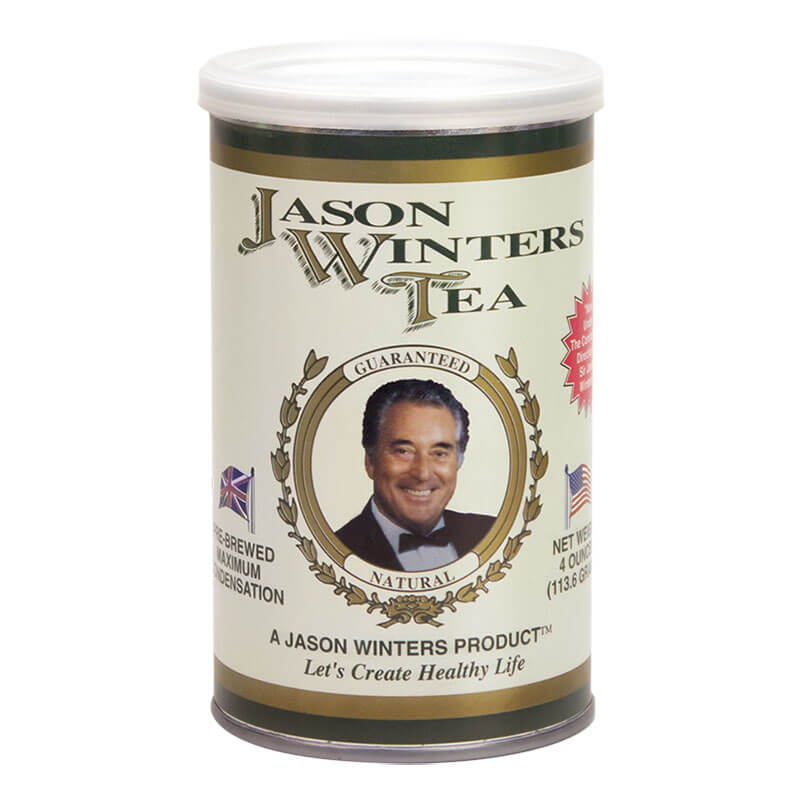
Then there is the herbal side, which is where the Sir Jason Winters story began. Tribalene puts the herb blend associated with the classic Jason Winters tea into a tablet form, with cayenne among the listed ingredients [VERIFY product slug and full ingredient list against current label]. It has a history of traditional use rather than any stimulant action.
That makes it a food-based option rather than a caffeinated one. It suits the person who prefers to take a supplement as part of a daily routine, following the suggested use on the label. For people who are often on the move, the tablet form is simply a convenient way to include the herbs without brewing a cup.
Worth naming here, since people often come across it in the same searches, is the Ashwagandha Extract Gummy. It provides the equivalent of 750 mg of ashwagandha root powder and is fortified with Vitamin D and zinc, taken as one gummy daily [VERIFY specs against current label]. It is a point of accuracy worth stating plainly: ashwagandha is not a stimulant and this is not an energy product. Sir Jason Winters positions it for everyday stress and relaxation support,* which is a different purpose from anything in a caffeinated can.

Long-Term Lifestyle Impact
Over a longer stretch, the two categories fit into daily life differently. It is worth thinking past any single afternoon to how each one fits a routine you can maintain.
What to Know About Daily Energy Drinks
Relying on energy drinks every day is worth approaching thoughtfully. Because caffeine is a stimulant, regular heavy use can affect sleep, and the Mayo Clinic notes that sleep and caffeine intake are closely linked. Sleep in turn matters a great deal to anyone who is active. Research published in the International Journal of Sports Medicine points to the role of sleep quality in recovery for athletes.
The sugar content is the other thing to track over time. Added sugars from any source add up, so checking the label and keeping an eye on your overall intake is sensible if energy drinks are a daily fixture rather than an occasional one. None of this means an energy drink is off limits. It means that a product designed for a short-term caffeine effect is worth treating as an occasional choice rather than a default, especially for anyone whose training or schedule already puts demands on their sleep and recovery.
What to Know About a Supplement Routine
Dietary supplements work differently, and it helps to have realistic expectations. They are not intended to provide an immediate stimulant effect. Instead, they are taken consistently as part of an overall diet, following the suggested use on each product label.
A supplement routine is one part of a broader approach to everyday wellness that also includes diet, hydration, sleep, and activity.* No supplement replaces those foundations. The sensible way to think about products like CoQ10 or omega-3s is as a complement to a balanced diet, not as a source of on-demand energy. That is what the label language means when it describes them as intended to support normal function rather than to boost or fix anything.
Consistency is really the operating idea behind any supplement, since the suggested use on the label assumes a daily rather than an occasional pattern. A plant-based omega such as flaxseed oil is one example of a supplement people add to a regular routine, and you can read more about it in the benefits of flaxseed oil. None of this is about a single dramatic effect. It is about how a product fits into the ordinary structure of your diet and daily habits over time.

Making the Smarter Choice
So where does this leave you. The point is not that energy drinks are forbidden and supplements are a magic alternative. It is about understanding what each category is and choosing what fits your own routine.
When Each One Fits
An energy drink is a caffeinated beverage. If you want a short-term caffeine effect for a single deadline or an early drive, that is what it offers. It is sensible to keep an eye on total caffeine against that roughly 400 mg daily figure the Mayo Clinic cites, and to check the sugar content on the label.
Dietary supplements are a different category with a different purpose. Products like CoQ10, omega-3s, and traditional herbal blends are taken as part of a daily routine alongside a balanced diet, not as a substitute for a meal or a caffeinated pick-me-up. Which category fits depends on what you are actually looking for.
The SJW Difference
What distinguishes Sir Jason Winters is the focus on natural wellness products with a long heritage. This is a brand rooted in traditional herbal use and in nutritional supplements meant to complement everyday life.* The products are not marketed as stimulants or as quick fixes.
People often search for the SJW supplements vs energy drinks comparison expecting a head-to-head winner, but the more accurate answer is that they serve different purposes. If you want a caffeinated beverage, an energy drink is that. If you are building a daily supplement routine as part of a balanced diet, that is where a brand like Sir Jason Winters fits. As with any supplement, it is a good idea to consult a healthcare professional about what is right for you.