
The wall arrives without warning. You are ninety minutes into a ride, a run, or a long day on your feet, and the tank that felt bottomless an hour ago is suddenly empty. Most people reach for the fastest fix within arm’s reach. A shot of caffeine, a sugary gel, an energy drink loud enough to rattle the shelf it sits on. It works, briefly. Then the crash lands, and you are worse off than before you started.
Athletes who train seriously learn this the hard way. The body does not run on spikes. It runs on steady supply. That is the case for natural energy supplements built around whole-food nutrients and traditional herbs rather than stimulant overload, and it is the case Sir Jason Winters has quietly made for more than four decades. This is a look at how clean energy fits an active life, which SJW supplements support the goal, and how to time them around training so the work you put in actually holds.

Why Athletes Need Clean Supplements
Clean energy means fuel your body can use without a hidden bill attached. Most mainstream energy products lean on high-dose caffeine, added sugar, and synthetic stimulants that borrow tomorrow’s energy to pay for today’s workout. The lift is real. So is the payback.
For an athlete, that trade rarely favors performance. A caffeine spike narrows into a crash right around the time recovery should be starting. Blood sugar that shoots up on a sugary pre-workout comes down just as fast, often mid-session. And the jittery, wired feeling that some stimulant blends produce works directly against the calm focus that endurance and precision demand.
Athlete nutrition has always rewarded consistency over intensity. The athletes who hold their gains are usually the ones supporting the body’s own systems day after day, not the ones chasing the biggest single hit. That is where clean supplements earn their place. Instead of forcing a response, they supply the raw materials the body already knows how to use: essential fatty acids, antioxidants, and time-tested herbs that have supported vitality across generations.
Read the label on most sports energy products and the ingredient list tells the story. High caffeine content, a sweetener or two, and a proprietary blend of stimulants that do not disclose their doses. There is nothing there for the athlete you will be next month. A clean supplement inverts that priority. The ingredients are recognizable, the amounts are stated, and the intent is to support a system rather than override it.
There is a mindset shift buried in here too. Reaching for a caffeine-free option is not about settling for less. It is about choosing a foundation that does not collapse under you at the wrong moment. If you have ever wanted an alternative to the coffee-and-crash cycle, the same logic that drives caffeine-free energy herbal teas applies to how you fuel training. Sustainable beats spectacular, every time your body is the thing on the line.

SJW Supplements for Performance
Sir Jason Winters does not sell a pre-workout in a neon tub. What it offers instead is a small set of clean, single-purpose supplements that may help support the systems an active body leans on hardest. The energy story here is a cellular one, not a stimulant one.
Start with CoQ10. Coenzyme Q10 is an antioxidant that occurs naturally in the body, concentrated in the tissues that demand the most energy, including the heart and working muscle. It plays a role in how cells produce usable energy, and it helps counter the free radicals that intense exercise generates. The SJW version delivers 100 mg per capsule. For athletes putting their cardiovascular system under regular load, it is one of the more sensible foundations to build on, and it may support the body’s natural energy production at the level where energy actually gets made.
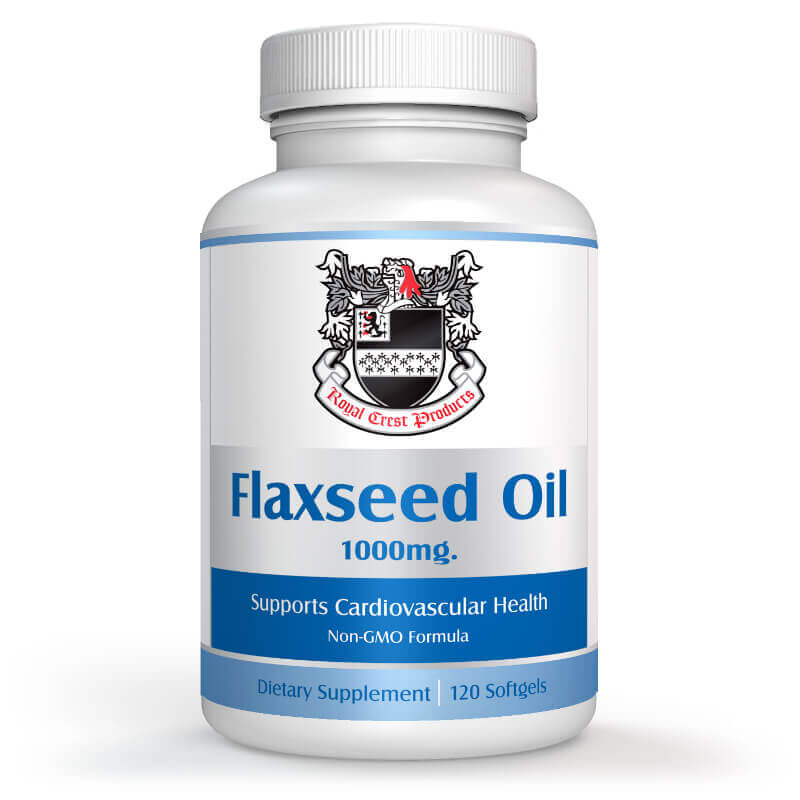
Then there is the omega question, which matters more for athletes than most realize. Hard training is, at its core, controlled inflammation. Your body breaks tissue down so it can build it back stronger, and essential fatty acids are part of how it manages that cycle. SJW carries Flaxseed Oil at 1,000 mg per softgel, one of the most concentrated plant sources of the Omega-3 fatty acid ALA. It also carries Black Currant Seed Oil, which supplies 14% GLA per softgel, nearly double that of evening primrose oil. Both are worth understanding on their own terms, and the potential benefits of flaxseed oil go well beyond the training context.
Which omega source fits depends on your goals and the rest of your diet. Plant-based ALA behaves differently in the body than marine omega sources, and the tradeoffs are worth understanding before you commit to one.
Tribalene rounds out the picture. It is Sir Jason Winters’ herbal tea in tablet form, carrying the same herb blend that built the brand, with cayenne added. Note one thing before you order: the Tribalene with Chaparral formula contains chaparral, and anyone with liver dysfunction or disease should not use chaparral. A Tribalene with Sage version exists for anyone who wants to avoid it.

Pre- and Post-Workout Tips
Timing is where good supplements either earn their keep or go to waste. The rules here are simple, and they hold across most training styles.
Before a session, keep it light and keep it early. Clean energy is not a five-minute pre-workout you slam at the trailhead. Supplements like CoQ10 and the omega oils work through consistent daily use, building a foundation over weeks rather than delivering a same-day jolt. Take them with a meal that includes some fat, since fat-soluble nutrients absorb better that way. If you want something in the cup before you head out, a caffeine-free herbal tea gives you warmth and ritual without the stimulant load that can leave you shaky before you have even started moving.
Hydration deserves a blunt word. It matters more than any supplement on this list. No capsule compensates for showing up dehydrated, and the fastest way to feel like you have no energy is to lose 2% of your body water without noticing. Drink before you are thirsty.
After training, the window belongs to recovery. This is when the omega oils quietly do their part, supporting the body’s normal response to the stress you just put it through. Protein and real food carry the heavy load of rebuilding, and supplements sit alongside that, not in place of it. A warm caffeine-free tea in the evening also fits here, less for any single nutrient and more because winding down is part of recovery. Sleep is where adaptation actually happens, and anything that helps you get there is doing performance work, even when it does not feel like it.
Consistency is the quiet rule underneath all of this. The nutrients that support recovery only support it if they are already in your system when the work happens, which means daily use matters more than perfect timing on any single day. An athlete who takes CoQ10 and omega oils every morning through a training block is in a very different position than one who remembers them the night before a hard effort. Build the habit first. The timing details fall into place once the baseline is there.
The through-line across pre and post is patience. Nothing on the SJW shelf is designed to transform a session on its own. What clean supplements offer is a steadier baseline, so the good days come more often and the bad ones cost you less.

Long-Term Benefits
Here is the part the energy-drink aisle never mentions. The point of fueling well is not a single great workout. It is being able to keep going, year after year, without the accumulated damage that harder-is-better fueling tends to leave behind.
This is where the clean approach separates itself. Stimulant-heavy products are built for the next hour. They do nothing for the athlete you want to be in a decade, and the repeated crash-and-spike cycle asks a quiet toll on sleep, stress, and recovery over time. Whole-food nutrients play a longer game. The antioxidant support in CoQ10, the essential fatty acids in the omega oils, the traditional herbs in the SJW blend: none of these are about one session. This is the quiet promise of natural energy supplements built on real nutrients rather than stimulants. They are about the systems that have to keep working for all the sessions still ahead.
This is also where the details of your supplement choices start to matter more, not less. Over years rather than weeks, the specific form of a nutrient and how well your body uses it adds up. Omega sources are a good example. The difference between a marine oil and a plant-based one is not trivial when you are taking it daily for a decade, and the comparison of krill oil versus flaxseed oil is worth reading closely before you settle into a long-term routine. Small choices, repeated thousands of times, are what a long athletic life is actually made of.
There is a reason the brand’s roots resonate with people who train. Sir Jason Winters built this company after his own health crisis sent him searching the world for herbs that might help, a story rooted in endurance and the refusal to quit rather than in any quick fix. That ethos still fits the athlete’s reality better than most modern marketing does. The work is long, and the fuel should respect that.
None of this replaces the fundamentals. Sleep, real food, smart training, and honest recovery do the heavy lifting, and no supplement substitutes for them. What clean supplements can do is support the foundation you are already building, so that the active life you want at forty, sixty, and beyond stays available to you. Energy you can trust is not the loudest option on the shelf. It is the one that is still there when you need it, on the last mile, in the last set, in the years still coming.