
Most office energy strategies follow the same script. Coffee in the morning, another around 2 p.m., and a quiet struggle with whatever comes after. The crash is real. The midday restlessness is real. And the dependency is something most people have noticed without doing much about it. Herbal tea for office focus isn’t a radical idea. It’s a practical one, and it’s worth looking at seriously before writing it off as something for people with lighter workloads.
Sir Jason Winters teas have been in continuous production since 1979. The brand didn’t start as a wellness trend. It started with one man’s documented search for something that worked, and the formulas he built have remained unchanged for over 45 years. That kind of track record is uncommon in a category where most brands launched three years ago and will be gone in five.

Why Office Energy Matters
What you drink across a workday matters more than most people treat it. Not in a dramatic sense. In the sense that how you fuel the morning quietly shapes whether the 3 p.m. decision gets your real attention or the depleted version of it.
Workplace performance research keeps arriving at the same finding: raw hours worked matter less than the capacity to actually think during those hours. Mental energy depletes. It also recovers, when given the right conditions. Most office routines don’t provide them.
So the gap here isn’t conceptual. It’s Tuesday-afternoon-specific. It’s the second cup that stopped working at noon and the four hours still remaining on the calendar.
Desk wellness is mostly small decisions that compound over a week. What goes in the mug is one of them, and it’s one of the easier ones to change.

Tea vs Coffee at Work
Coffee is not the problem. That’s worth stating plainly, because a lot of writing on this topic pretends otherwise. Caffeine has real, well-documented effects on alertness and short-term focus. Health references like Healthline consistently note that moderate intake can support concentration and reaction time in the near term.
The issue is the pattern. Too much, stacked too early, too dependent on the spike. The crash that follows the second or third cup of the day isn’t a personal failure. It’s chemistry. For people already running on disrupted sleep or elevated background stress, that chemistry lands harder.
Herbal teas work differently. They’re not stimulants. What they offer is closer to a ritual: warmth, a brief pause, some steadiness in a day that doesn’t always build it in.
That distinction matters for how you actually use them. Coffee suits urgency. A caffeine-free herbal blend suits the hours that don’t benefit from urgency: writing that requires patience, reviewing something that deserves real attention, preparing for a conversation where presence matters more than speed.
The practical transition most people find easiest isn’t replacing the morning coffee. It’s replacing the second or third cup. That’s where the crash originates for most regular drinkers, and that’s where a well-chosen herbal blend fits without feeling like a sacrifice. For a closer side-by-side look at how the two compare across a workday, the SJW teas vs. coffee breakdown is worth reading before changing anything in your routine.

Best SJW Picks for Desk Life
Not every herbal tea belongs on a desk. Some are too floral, too medicinal, or too fussy to fit comfortably into an actual workday. What works at a desk brews cleanly, drinks easily, and doesn’t require a production in a shared office kitchen. The Sir Jason Winters lineup holds up against that standard.
Classic Blend with Sage
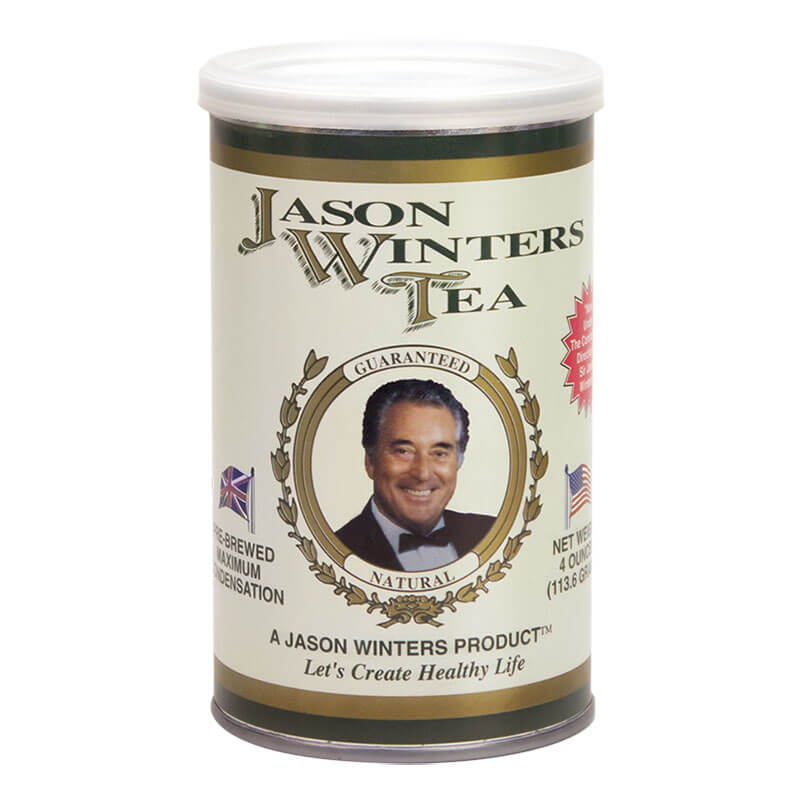
The Classic Blend with Sage is caffeine-free and built on the original formula Sir Jason Winters developed: Red Clover, Indian Sage Leaf, Gotu Kola, and the proprietary Herbalene® blend. A 5oz loose-leaf can runs approximately 70 servings, meaning a single purchase covers weeks of daily use. At $26.95, the cost per cup is considerably lower than any daily coffee habit.
The flavor is earthy and mild, without veering into the aggressively herbal territory that puts people off unfamiliar blends. Some customers report drinking it daily as part of a midday ritual, not as a replacement for anything, but as something with its own clear place in the workday. That distinction matters more than it might seem.
Green Herbal Tea Bags
For people who want a gentler caffeine presence rather than none at all, the Green Herbal Tea Bags are a reasonable bridge. Green Tea Leaf, Red Clover Tops, Indian Sage Leaf, Herbalene®. A lighter lift than coffee, still grounded in the SJW formula heritage. Good as a first-cup option before the day fully sets.
Garden Teas
The Garden Tea line is certified organic, kosher, gluten-free, packed in biodegradable pyramid sachets with ultrasonic-sealed tags. No glue. These are the easier entry point for someone new to SJW: recognizable ingredients, clean packaging, nothing to explain.
Chamomile Comfort works well in the late afternoon, when the day’s focus rituals shift from output toward recovery. Garden Therapy is more layered, worth actually tasting rather than drinking on autopilot. Both caffeine-free and quiet enough for shared office environments. For a fuller look at the caffeine-free options and how they fit different points of the workday, the guide to caffeine-free herbal teas that wake you up naturally goes deeper on what to reach for and when.
Peach and Raspberry Flavored Tea Bags
Worth noting for anyone who finds unflavored herbal tea a difficult first step, or who wants something approachable to hand to a skeptical colleague. The familiar fruit notes lower the barrier without changing the core formula underneath.
These statements have not been evaluated by the Food and Drug Administration. These products are not intended to diagnose, treat, cure, or prevent any disease.