
There is a reason certain herbs keep showing up across centuries, cultures, and continents. They work — or at least, they work well enough that people kept returning to them long after the novelty wore off. Ashwagandha has been a fixture of Ayurvedic practice for thousands of years. Moringa has been called a nutritional staple in traditional medicine from South Asia to sub-Saharan Africa. These aren’t trending ingredients. They’re high-value herbal ingredients that earned their place.
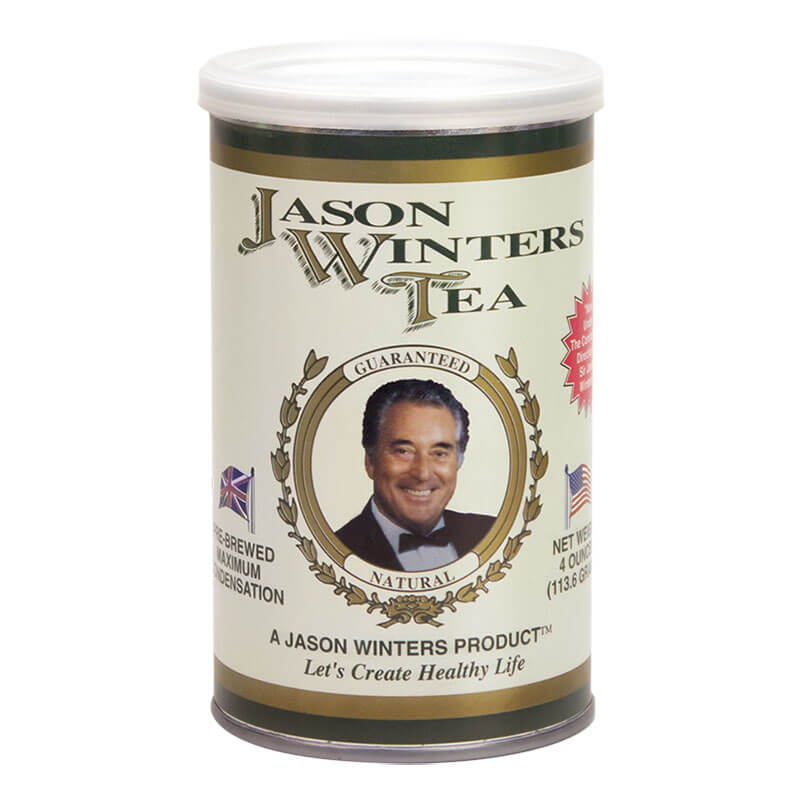
What makes an ingredient “high-value” isn’t marketing. It’s the combination of documented traditional use, a meaningful nutrient profile, and practical versatility — the ability to fit into a real daily routine without requiring elaborate preparation. That’s the standard worth applying when building a personal wellness toolkit. And it’s the standard Sir Jason Winters has applied since Jason Winters himself began researching traditional herbal practices from cultures around the world.
This guide covers what these ingredients are, what the research suggests they may support, and how to think about incorporating them into daily life.

Ashwagandha: Stress & Adaptogen Potential Benefits
Ashwagandha (Withania somnifera) is classified as an adaptogen — a category of herbs traditionally used to help the body manage stress more effectively. The name matters here. Adaptogens aren’t stimulants. They don’t push the body into a heightened state. The mechanism is closer to the opposite: they may help regulate the physiological stress response rather than amplify it.
The primary driver of that effect is cortisol. Chronic stress tends to keep cortisol elevated, and sustained high cortisol is linked to a range of downstream problems — disrupted sleep, hormonal imbalance, fatigue, and compromised immune function. Ashwagandha has been studied for its potential to normalize cortisol levels. According to the Cleveland Clinic, ashwagandha may help reduce stress and anxiety, and some research suggests it may support improvements in sleep quality.
A 2019 study cited in the clinical literature found that participants taking 240 mg of ashwagandha daily reported significantly lower stress levels compared to those taking a placebo. Cortisol levels declined alongside subjective stress scores — a useful pairing, since self-reported stress without any physiological marker is harder to interpret.
The immune connection is worth noting. Ashwagandha appears to possess immunomodulatory properties, potentially stimulating the production of immune cells such as lymphocytes and macrophages. For people managing chronic stress — which tends to suppress immune function over time — this is not a minor footnote.
Sir Jason Winters’ Ashwagandha Extract Gummies deliver the equivalent of 750mg of ashwagandha root powder per serving, fortified with Vitamin D and zinc. The zinc and Vitamin D pairing isn’t incidental — both play documented roles in potential immune support, making the formulation more comprehensive than a standalone ashwagandha product. The gummies come in a natural cherry flavor, in a 60-count bottle designed for consistent daily use.
As with any supplement, certain groups should consult a healthcare professional before use. This includes pregnant or breastfeeding women, and those managing high blood pressure, lupus, stomach ulcers, or other chronic conditions.
These statements have not been evaluated by the Food and Drug Administration. This product is not intended to diagnose, treat, cure, or prevent any disease.

Other Notable Ingredients
Ashwagandha and moringa are the most prominent names in today’s adaptogen and superleaf tea conversation. But the history of high-value herbal ingredients extends well beyond them — and Sir Jason Winters has drawn from that broader tradition since the beginning.
Red Clover appears in SJW’s Classic Blend formulation and has been used in traditional herbal practice for its antioxidant compounds, including isoflavones. These plant-based compounds are studied for their potential role in supporting hormonal balance and general wellness.
Gotu Kola is a botanical with a long history in Ayurvedic and traditional Chinese medicine, used to support cognitive function and circulation. It appears alongside Red Clover in SJW’s Classic Blend with Sage — an ingredient pairing that reflects the brand’s multi-herb philosophy rather than a single-ingredient approach.
Indian Sage Leaf rounds out that Classic Blend formulation. Sage has traditional use for digestive support and has been studied for mild antimicrobial properties. In a tea context, it contributes both flavor and functional depth.
Then there is Herbalene® — SJW’s proprietary special spice blend, which appears across the brand’s tea formulations. It has been the subject of independent scientific documentation. What makes Herbalene® worth noting here is that it represents that ingredient synergy matters — the blend was developed as a system, not a collection of individual components.
The supplement line extends this philosophy further. Products like TUC (The Ultimate Combination) and Golden Lion incorporate additional botanicals including Burdock root, traditionally valued for its potential detoxifying and digestive properties.
None of these ingredients are shortcuts. The pattern across all of them —ashwagandha, red clover, gotu kola, Herbalene® — is the same: traditional use across multiple cultures, meaningful nutrient or phytochemical profiles, and a role in supporting the body’s own regulatory processes rather than overriding them.

Incorporating Ingredients into Your Routine
The most common mistake with high-value herbal ingredients is treating them like medications — taking them intensively for two weeks, then stopping when nothing dramatic happens. That’s not how these plants work. The evidence base, where it exists, is built on consistent daily use over time. That changes how to think about incorporating them.
The practical question isn’t “which ingredient should I try” — it’s “what format will I actually use every day.”
For most people, a tea-based routine is the lowest-friction entry point. Brewing a cup of Sir Jason Winters herbal tea takes two minutes and works as a natural ritual anchor — morning, midday, or evening depending on the blend. The Classic Blend with Sage includes Red Clover, Indian Sage Leaf, Gotu Kola, and Herbalene®, offering a multi-herb profile in a single daily cup. For those interested in exploring the full range of what herbal teas can offer beyond the cup — including culinary uses and creative brewing approaches and pairings — the versatile world of herbal teas is worth exploring.
For ashwagandha specifically, gummy form removes one friction point that capsules introduce: the need to swallow pills. One SJW Ashwagandha Gummy per day, preferably with a meal, keeps the routine simple enough to maintain without tracking.
A few practical notes for anyone building a multi-ingredient routine:
Consistency matters more than quantity. A smaller daily dose taken reliably will generally outperform a larger dose taken irregularly. This is especially true for adaptogens, where the mechanism appears to be cumulative regulation rather than acute effect.
Finally: if you are pregnant, breastfeeding, or managing a chronic condition, consult a healthcare professional before adding any herbal supplement to your routine. These are powerful plants with meaningful biological activity. That’s the point — and it’s also the reason to approach them thoughtfully.