Exploring Common Green Tea Myths
There might not be a natural drink as misunderstood as green tea. While some people champion the health benefits it offers, others believe that it’s just another drink – or even just a less-potent type of coffee.
But the more you learn about green tea, the more you begin to realize exactly what it can and can’t do. There’s still plenty of research being done on green tea (particularly on how it can inhibit cancer growth), but aside from the research, there’s a lot that we know about green tea.
Below are some common myths associated with green tea along with the truth:
Green Tea is Caffeine-Free
This sometimes goes both ways: some people think that all green tea is caffeine-free, and others think that it has more caffeine than a cup of coffee.
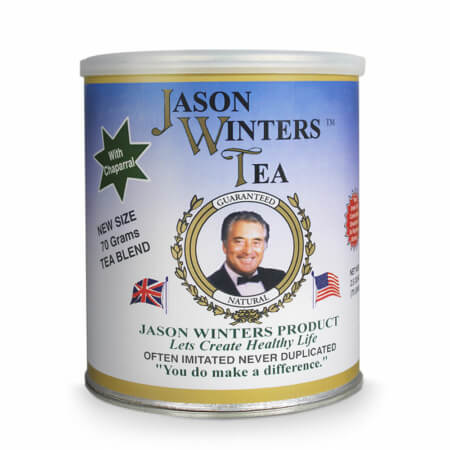
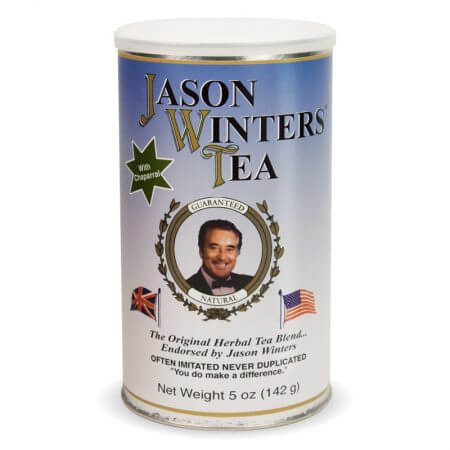
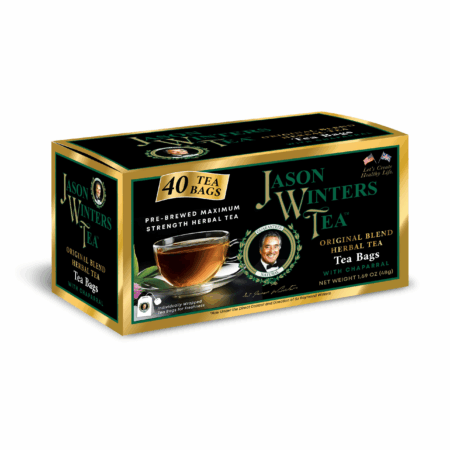
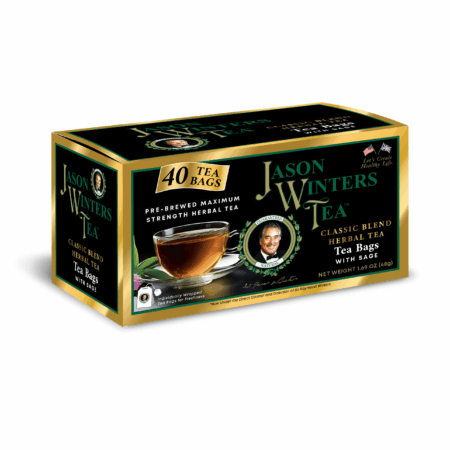
The truth is that all green tea – even brands that call themselves de-caf – contains at least a small trace of caffeine since it’s naturally occurring in the plant. Generally speaking, green tea has much less caffeine than coffee. But not all teas are going to have caffeine. For example, our Classic Blend 5 oz teas use an herbal mix, and none of the ingredients have naturally occurring caffeine. So you’re still able to enjoy Sir Jason Winters tea even if you don’t want the caffeine!
Green Tea Makes You Lose Weight

The caffeine in green tea can help kickstart your metabolism, but you still need to pair it with an effective workout plan and diet. Some businesses sell diet teas that claim to help you shed weight. These teas are completely bogus, and if you do lose weight it isn’t going to happen in a healthy way.
Black Tea and Green Tea are Essentially the Same
There’s some truth to this myth since both types of tea come from the leaves of the Camellia sinesis plant. But the way they’re prepared is different.
Black tea leaves are oxidized after being picked, leading to a sweeter flavor. However, black tea can also lose some of its potency during this process.
This doesn’t mean that black tea is not as healthy as green tea, though. There are tons of factors that go into making tea, so it’s difficult to say which is better. However, many more studies have been done on green tea, so if you’re looking for health benefits, it’s easier to prove that you’re getting them from green tea.
You Can’t Have Too Much Green Tea
Because green tea is naturally caffeinated, you’ll want to watch how much you’re drinking.
Aside from caffeine, you can always have too much of a good thing. Just as your health can suffer from drinking too much water, too much green tea can hurt you in different ways.
Most tea drinkers stick to 2-3 cups a day, with some avid drinkers getting closer to 6. You should never be drinking more than 6 cups a day. Of course it’s always best to ask your doctor.
Adding Milk or Honey is Unhealthy
Sweetening tea seems intuitively unhealthy – sort of like how adding creamer to coffee is not as healthy as drinking black coffee.
If you are looking to sweeten your tea, stick with raw honey or natural Stevia. Stay away from refined white sugar.
Milk contains a protein called Casein that does not interact well at all with the natural antioxidants in green tea. By adding milk to your cup of green tea, you could actually be eliminating any health benefit you might receive from the drink, so best to avoid adding milk.
All Green Tea is the Same
Not all tea is equal. While tea comes from the same type of shrub, there are different versions of the plant. Also, different brands are going to use teas that can be drier, cheaper and older than other brands.
Not all green tea is equal. It’s impossible to know for sure which brand has the best tea, but it’s easy to tell which ones are using subpar tea leaves.
We only use high-quality leaves in Sir Jason Winters tea, so you’re guaranteed to have a great green tea base to any herbal blend!