
Something shifted in how people think about stress. Not the dramatic kind, not the acute crisis kind, but the low-grade background kind that just never quite turns off. And somewhere in that shift, a root that Ayurvedic practitioners have used for thousands of years started showing up in morning routines, evening wind-downs, and wellness conversations everywhere.
Ashwagandha. It is harder to pronounce than it is to use. And that may be part of why it has taken this long to reach mainstream attention, because the results people are describing are not complicated.
Less tension. Easier sleep. A general sense that the nervous system has stopped running at full volume. Ashwagandha gummies have made that daily routine easier to keep than almost any other format. One per day, no measuring, no mixing. That friction reduction turns out to matter more than most people expect.

What Makes Ashwagandha Popular
The herb itself, Withania somnifera, native to parts of Asia and North Africa, has been used in Ayurvedic medicine for more than 6,000 years. That kind of staying power usually means something.
What modern research has confirmed is the mechanism behind the traditional use. Ashwagandha reduces cortisol levels in the body, which quite possibly may ease stress symptoms like elevated blood pressure and heart rate. It also helps block nervous system activity associated with generalized anxiety, insomnia, and depression.
Cortisol is the hormone your body releases in a stress response. It is useful in short bursts. Chronically elevated, it disrupts sleep, weakens immunity, and creates a low-level tension that most people have just accepted as normal. Ashwagandha’s specific action on the hypothalamic-pituitary-adrenal axis, the system that regulates that stress response, is what makes it categorically different from a general wellness herb.
To qualify as an adaptogen, a plant must meet three criteria: it must be non-toxic at normal doses, it must help the body cope with stress, and it must allow the body to return to a state of balance. Ashwagandha meets all three.
That last point matters more than it might seem. The goal is not sedation. Adaptogens work by increasing or decreasing chemical reactions within the body depending on what is needed. If cortisol is elevated, they bring it down. If energy is depleted, they may support an increase. That bidirectional quality is unusual in wellness supplements, and it is a significant reason people find ashwagandha useful across different situations and different times of day.
The specificity of the research is also worth noting. In one study with 58 participants, those who took 250–600mg of ashwagandha extract over 8 weeks showed significantly reduced perceived stress and lower cortisol levels compared to a placebo group. They also reported improvements in sleep quality.
One root. Two outcomes. For a lot of people, that is the whole pitch.

How People Use It Daily
There is no single right way to add ashwagandha to a routine, which is part of why it has spread so widely. The format matters less than the consistency, and ashwagandha gummies have become the format most people actually stick with in their daily routine.
The morning camp tends to reach for it early. The thinking is that starting the day with something that supports the stress response means the cortisol spike that naturally occurs in the first hours after waking gets modulated rather than amplified. One gummy with breakfast takes about four seconds. For people who wake up already tense, that simplicity makes practical sense.
The evening camp uses it differently, as part of a wind-down ritual. A gummy taken in the hour before sleep, alongside a warm drink or as a standalone habit, signals to the nervous system that the day is actually over. Given what the research shows about sleep quality improvements, this timing has a reasonable basis.
Some people use it at both ends. That reflects how the herb actually works, not as a stimulant or a sedative, but as something that helps the system regulate itself.
What most people report taking time to discover is that ashwagandha does not produce an immediate, noticeable effect. It is not caffeine. The changes tend to emerge gradually. A few weeks in, something feels different. Sleep is a bit more reliable. The reactive edge to stressful moments feels slightly less sharp. It is easy to miss if you are not paying attention, which is why the daily habit part matters more than people expect.
Explore how herbal teas fit into a daily wellness routine alongside supplements. The two work well together for people building a broader wellness practice.

Ashwagandha in SJW Products
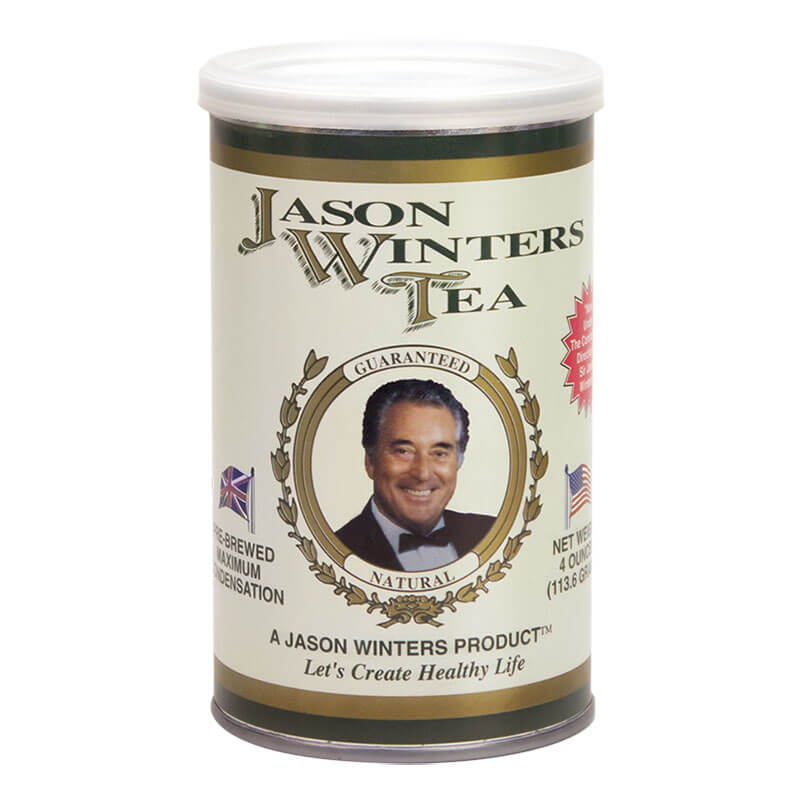
Sir Jason Winters has been in the herbal wellness category since before adaptogen was a word people used in casual conversation. The brand was built on the idea that plant-based ingredients, used thoughtfully and sourced carefully, may do things that synthetic alternatives often cannot replicate.
The Sir Jason Winters Ashwagandha Extract Gummy contains the equivalent of 750mg of ashwagandha root powder per serving, fortified with Vitamin D and zinc. Each bottle contains 60 gummies with natural cherry flavor.
The combination is deliberate. Vitamin D may help support immune function and mood regulation, two systems that tend to take a hit under chronic stress. Zinc may contribute to cognitive function and normal immune response. Pairing them with ashwagandha means the gummy is not just delivering one active ingredient. It is addressing the broader physiological context in which stress operates.
The recommended use is one gummy per day, preferably with a meal. That simplicity matters more than it sounds. Daily supplement routines fail most often not because people stop wanting the benefit, but because the product becomes inconvenient. A single gummy with breakfast or dinner removes most of the friction.
For people who have tried ashwagandha in capsule or powder form and struggled to stay consistent, the gummy format tends to change that. It fits into an existing habit rather than requiring one of its own. A morning coffee, a meal, an evening routine already in place. The supplement slots in rather than demanding its own dedicated moment, and that difference is often what separates a two-week experiment from a lasting habit.
That said, format only gets you so far. The ashwagandha still has to be doing something worth noticing, and the 750mg per serving in the SJW gummy is a relevant amount. Not a trace amount added for label appeal.
The SJW approach to formulation has always been grounded in traditional herbalism without being indifferent to modern wellness needs. Ashwagandha fits naturally into that history, an ancient root with a very current application, delivered in a format that works for how people actually live now.
These statements have not been evaluated by the Food and Drug Administration. This product is not intended to diagnose, treat, cure, or prevent any disease.

When to Take It
The honest answer is: it depends on what you are trying to address.
Morning use makes the most sense if stress resilience throughout the day is the primary goal. Getting ahead of the cortisol curve rather than reacting to it. People who report waking up already in a heightened state often find morning ashwagandha the more useful choice, and pairing it with a consistent breakfast habit means it rarely gets skipped.
Evening use makes sense if sleep is the main concern. Research suggests ashwagandha may be helpful for people with stress, anxiety, or trouble sleeping, and taking a gummy as part of an evening wind-down reinforces that effect behaviorally as well as biochemically. The routine itself signals a transition that the nervous system recognizes.
Afternoon is possible too, though less common. Some people whose stress peaks mid-day find it useful there, separate from any impact on sleep.
Timing, though, is probably the least important variable. What most practitioners and researchers agree on is that consistency matters far more. The studies that show meaningful results use daily supplementation over weeks, not occasional use as needed. Ashwagandha is not the kind of supplement you reach for when a stressful moment arrives. It is the kind you take regularly so that stressful moments land differently when they do.
According to Julia Zumpano, a registered dietitian with Cleveland Clinic’s Center for Human Nutrition, ashwagandha may also support energy, immune function, and overall wellbeing, benefits that tend to emerge with sustained use rather than single doses.
Pick one time. Keep it. Four to eight weeks is the window where most people start to notice whether this supplement has earned a permanent place in their routine.
These statements have not been evaluated by the Food and Drug Administration. This product is not intended to diagnose, treat, cure, or prevent any disease.