
You feel the dip somewhere around two in the afternoon. The first instinct is to reach for something that promises a fast fix: another coffee, a pre-workout scoop, a B12 shot at the counter. It works, briefly. Then the floor drops out a few hours later and you are more tired than when you started. That cycle is exactly why so many people start asking a different question, not how to feel awake right now, but how to stop crashing in the first place.
That question is where adaptogens and conventional energy supplements part ways. They are not two versions of the same thing. One pushes your system harder. The other helps your system handle the load. Understanding that difference is the whole point of this comparison, and it is the reason a growing number of people are rethinking what natural energy support actually means. The herbal tradition behind these plants runs deep, and if you want a sense of how far it stretches, it helps to understand the wider world of herbal teas before zeroing in on any single ingredient.
These statements have not been evaluated by the Food and Drug Administration. This product is not intended to diagnose, treat, cure, or prevent any disease.

What Are Adaptogens and How Do They Work?
Adaptogens are plants that help the body manage stress rather than override it. The category includes ashwagandha, ginseng, and rhodiola, herbs used for centuries in Ayurvedic and traditional Chinese practice long before anyone measured a cortisol level in a lab. According to the Cleveland Clinic, adaptogens are herbal compounds that may help the body resist physical and mental stressors and work toward balance, a state physiologists call homeostasis.
Here is the part that matters. When you are under pressure, your hypothalamic-pituitary-adrenal axis, the HPA axis, signals the release of cortisol, your main stress hormone. A short cortisol spike is useful. The problem is the modern version, where stress never fully switches off and cortisol stays elevated for hours or days. That is the state most people are actually fighting when they say they feel drained.
Adaptogens are traditionally used to support a steadier stress response instead of overriding it. A stimulant borrows energy from later. An adaptogen, used consistently, is meant to support the system that produces steady energy in the first place. The effect is quieter, and you are more likely to notice it as a crash that stops arriving than as a jolt.
Worth setting expectations honestly here, because this is where most people get adaptogens wrong. You will not take ashwagandha on a Monday and feel transformed by Tuesday. These herbs are traditionally used over weeks, and the change tends to show up as an absence rather than a rush, the 3 p.m. wall that simply is not there one afternoon. If you are expecting the kick of a double espresso, you will think nothing is happening. That mismatch in expectation is the most common reason people quit an adaptogen before it has had the chance to work.

What Most Energy Supplements Are Actually Doing
Most energy supplements work by stimulation, and stimulation has its place. Caffeine, the most common ingredient, blocks the brain receptors that make you feel tired. B vitamins, especially B12, support how your body converts food into usable energy, though they only move the needle noticeably if you were low to begin with. Pre-workouts stack caffeine with compounds like beta-alanine and taurine for a sharper, shorter hit. Resources like Healthline break down these ingredient profiles in detail, and the short version is that they are built for the moment, not the month.
None of that is a knock. If you need to be alert for a 6 a.m. shift or push through the back half of a long drive, a stimulant is the right tool. It is fast, it is reliable, and it does exactly what it says.
The catch is the crash. The same mechanism that makes caffeine effective produces the caffeine crash a few hours later, when the receptors it was blocking come roaring back. Caffeine also has a half-life of several hours, which is the unglamorous reason a 4 p.m. cup can still be in your bloodstream at bedtime, quietly eroding the sleep you need to recover. So you wake up tired, reach for the stimulant, and the loop tightens. For an occasional lift, that tradeoff is fine. As a daily strategy, it manages the symptom while leaving the underlying fatigue untouched.
The B12 piece deserves a fair hearing too, because it gets oversold. If your levels are genuinely low, correcting them can make a real difference in how energetic you feel. If they are already in range, more B12 does very little. Pre-workouts sit at the far end of the stimulant spectrum, engineered for a short, intense window of output, which is why they belong before a workout and almost nowhere else in a daily routine.

Head-to-Head: Adaptogens vs. Energy Supplements
The clearest way to see the difference is to put the two side by side across the factors that actually shape your day.
| Factor | Adaptogens | Energy Supplements |
|---|---|---|
| Onset time | Gradual, building over days to weeks | Fast, often within 30–60 minutes |
| Crash risk | Low; no stimulant rebound | Higher; rebound fatigue common |
| Stress response | Supports HPA axis and cortisol balance | Does not address stress; masks fatigue |
| Sleep impact | Neutral to supportive when taken as directed | Can disrupt sleep if taken late |
| Long-term use | Designed for sustained, daily routines | Better suited to occasional, targeted use |
Read that table and the pattern is hard to miss. Energy supplements win on speed and lose on durability. Adaptogens lose on speed and win on everything that compounds over time. Neither column is wrong. They answer different questions.
If your real problem is a single early morning, the right answer is in the right column. If your real problem is that you are tired most days and tired of the rebound, the right answer is in the left. Most people who go looking for a natural alternative have already figured out that the fast fix stopped working a while ago. They are not chasing a bigger jolt. They want the floor to stop dropping out.
One more thing the table cannot capture: the two approaches are not mutually exclusive. Onset time and crash risk describe how each option behaves on its own, but nothing stops you from using a stimulant for the occasional hard morning while an adaptogen does the slower work underneath. The columns are a map of tradeoffs, not a forced choice.

Where SJW Herbal Adaptogens Fit In
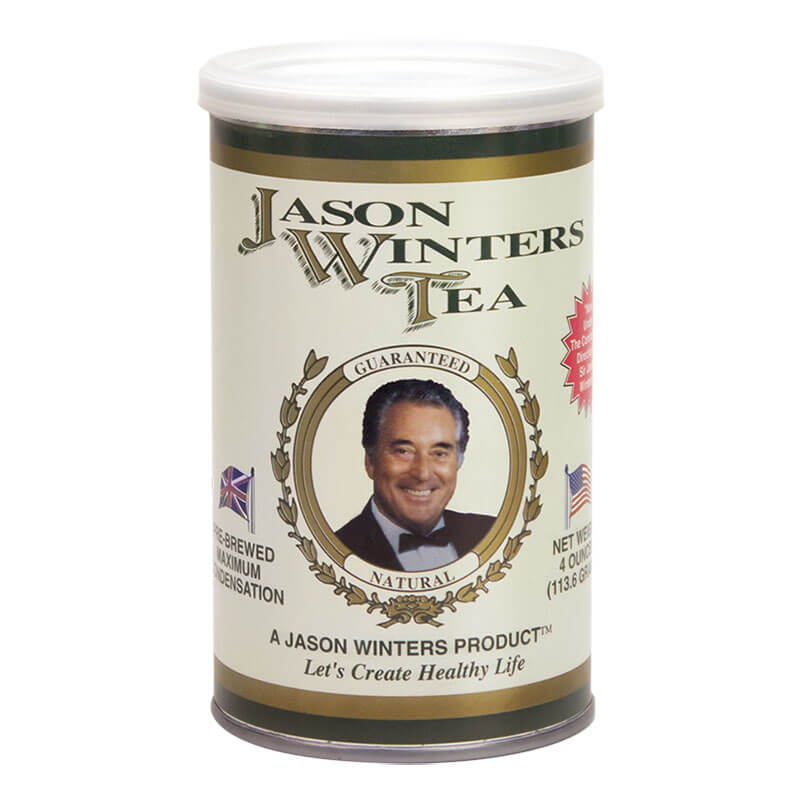
Sir Jason Winters builds its approach to natural energy support on a foundation older than the supplement aisle. The brand traces back to Jason Winters, a man given a terminal diagnosis who traveled the world studying the herbs used by traditional cultures, then built a company around the blends he came to trust. That heritage is not marketing varnish. It is the reason the catalog leans on plant-based, daily-use formulas rather than quick stimulants, and it sits at the center of the brand’s herbal supplement lineup. The same instinct that sent him looking for plants instead of shortcuts is the instinct behind an adaptogen, support the body over time rather than push it harder in the moment.
The clearest expression of that philosophy for stress and energy is the Ashwagandha Extract Gummy. Each serving delivers the equivalent of 750 mg of ashwagandha root powder, the same adaptogen covered earlier, in a format you can fold into a morning routine without pills or measuring. It is fortified with Vitamin D and zinc for added daily support, and ashwagandha is traditionally used to support relaxation, a sense of balance, and a healthy response to everyday stress. The gummies are formulated for adults, taken one a day, preferably with food. If you want the fuller picture of how this fits a wellness routine, the brand’s guide to using ashwagandha gummies for immune and overall support is a useful companion read.
What sets the SJW approach apart is consistency of intent. This is plant-based energy support meant for the long game, the kind you take as part of a daily wellness routine rather than a panic move at 3 p.m. That is the whole point of an adaptogen, and it is the part a stimulant was never designed to deliver.

Which One Is Right for You?
Start with the goal, not the product. If what you need is a sharp, short boost for a specific moment, a quick energy boost, a conventional energy supplement is the honest answer, and there is no reason to feel precious about it. Used occasionally and not too late in the day, caffeine does its job well.
But if you are reading a comparison like this one, odds are that is not really your situation. The people who land here are usually past the quick fix. They have noticed the crash, watched it chip at their sleep, and started wondering whether there is a way to feel steady instead of spiked. For that goal, sustained stress resilience and long-term energy support, adaptogens are built for exactly the job a stimulant keeps failing to do.
You do not have to pick a side forever. Plenty of people keep a stimulant around for the genuine early mornings and build an adaptogen into the daily routine for everything else. What is worth being honest about is which problem you are actually solving. If it is the long, low-grade tiredness that follows you from one week to the next, the answer is not a stronger jolt. It is a steadier foundation, and that is the lane adaptogens were made for.