
There’s a particular kind of mental fog that doesn’t come from tiredness alone.
It shows up mid-morning when the coffee has worn off and the to-do list still looks the same. It shows up creatively when ideas feel just out of reach, like trying to remember a word that won’t come. It shows up emotionally when the day’s small frictions start feeling larger than they should.
Most people respond to this by adding more caffeine. A few reach for a snack. Almost nobody pauses long enough to ask what their mind actually needs in that moment.
Herbal traditions across cultures developed an answer to this question long before productivity culture existed. Not in the form of a supplement or a stimulant, but in the form of a ritual: a warm cup, a deliberate pause, and botanicals chosen for their gentle, grounding qualities.
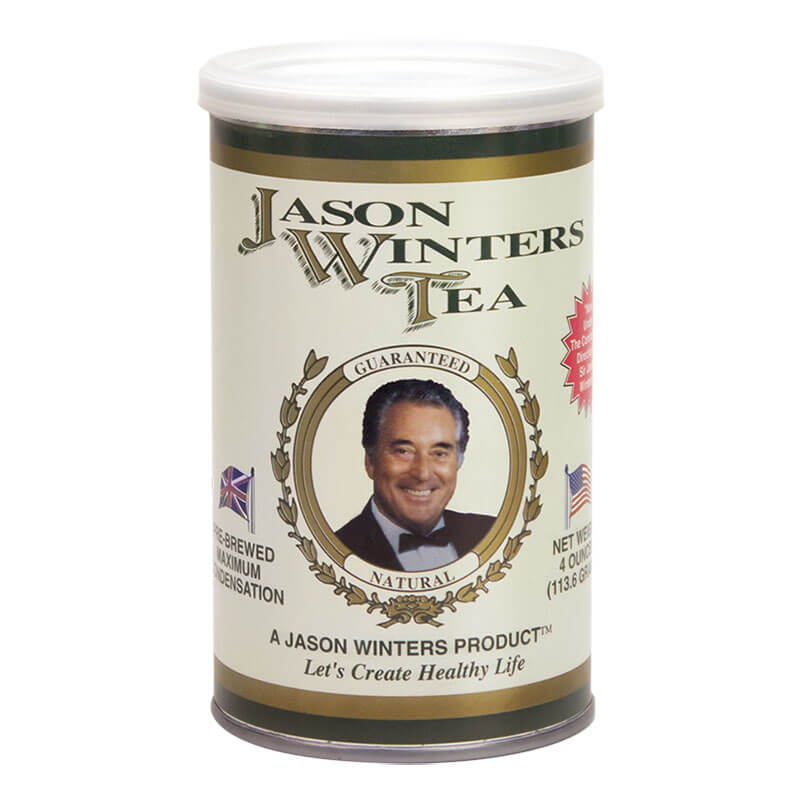
This is what Sir Jason Winters teas were built around. And it turns out to be exactly what a lot of modern workdays are missing.

How Herbal Tea May Help Support Mental Clarity
The relationship between herbal tea and mental clarity isn’t about a direct biochemical intervention. It’s more layered than that, and understanding why makes the practice more useful.
The Ritual Effect
Research in cognitive science has consistently shown that transitions matter. The brain performs better when it receives clear signals that one mode of engagement is ending and another is beginning. The morning commute used to serve this function for many people. The walk from a parking lot. The elevator ride to the office floor.
Remote and hybrid work removed most of those transitions. The result, for many people, is a blurring of mental states that makes sustained focus harder to access and harder to sustain.
Brewing a cup of herbal tea is a transition. It requires stepping away from the screen. It involves a sequence of small, deliberate actions. It produces something warm and aromatic that engages the senses before the first sip. Psychology Today has covered extensively how intentional rituals can serve as effective cognitive anchors, helping people shift mental modes more reliably than willpower alone.
The Hydration Foundation
Mental performance research consistently identifies mild dehydration as one of the most common and underestimated contributors to cognitive fatigue. Most people don’t notice they’re mildly dehydrated because the sensation is subtle, a slight heaviness in concentration, a reduced sharpness in thinking, nothing dramatic enough to identify clearly.
Herbal teas contribute meaningfully to daily fluid intake. This is one of the most practical and least overstated things anyone can say about them: they help you drink more water, and that alone has a measurable effect on how the brain functions across a working day.
The Botanical Layer
Beyond ritual and hydration, certain botanicals have been used for centuries in traditions specifically associated with mental engagement. The research on these herbs is genuinely interesting and genuinely incomplete in roughly equal measure. What tradition recorded across generations and what modern researchers are beginning to explore in controlled settings are starting to point in similar directions, though the science is still developing.

Supporting Creativity with SJW Teas
Creativity is not the same cognitive state as focused analytical work. Most people know this intuitively. The kind of thinking that solves a spreadsheet problem and the kind that generates a genuinely new idea feel different, and they are different.
Traditional herbal practice didn’t always make this distinction explicitly, but it arrived at it through observation. Different herbs were associated with different qualities of mental engagement. Stimulating aromatics for alertness. Grounding, earthy botanicals for sustained reflection. Lighter, brighter preparations for the open, receptive state that creative work tends to require.
Botanicals Traditionally Associated with Open, Receptive Mental States
Lemon Balm Lemon balm, a member of the mint family, has been used in traditional European herbalism for centuries. Its light, citrusy character makes it one of the more pleasant afternoon teas, and it has traditionally been incorporated into preparations intended to support calm, clear mental engagement. Many people who work creatively find it well-suited to the open, unhurried state that generative thinking requires.
Peppermint Peppermint’s sharp aroma functions as a sensory reset. Healthline notes that peppermint has been the subject of research related to alertness and cognitive performance, though studies continue to develop. In traditional herbal practice, it was used to clear mental heaviness and restore a sense of fresh engagement. For creative work that has stalled, a midday cup of peppermint is a simple and historically grounded intervention.
Gotu Kola Gotu Kola appears in Sir Jason Winters’ heritage blends and carries one of the richer traditional histories of any herb in the SJW lineup. Valued in Ayurvedic tradition as the “herb of longevity,” it has been traditionally associated with mental vitality and sustained clarity. Ayurvedic practitioners historically recommended it for scholars and those engaged in extended periods of concentrated mental work.
These aren’t modern formulations built around clinical trials. They’re botanicals that cultures returned to repeatedly over centuries because they kept earning their place in the daily ritual.

Mood-Supporting Ingredients and What Tradition Says
Mood is not a fixed state. It responds to sleep, nutrition, hydration, physical movement, the quality of relationships, and the texture of the day. Herbal teas don’t override any of these variables. What they offer is something more modest and, for daily use, more realistic: a gentle, grounding companion to the practices that actually shape emotional steadiness.
Several botanicals have been traditionally valued in this context.
Chamomile Chamomile has one of the longest recorded histories in European herbal tradition. It has been enjoyed as an evening and transitional beverage for centuries, and its gentle, floral character makes it one of the most widely used herbs globally. Researchers have studied its active compounds with interest. In the context of daily mood support, it’s most commonly incorporated into late afternoon or evening routines as a signal that the pace of the day is shifting.
Sage Sage appears in Sir Jason Winters’ heritage and carries a long history in traditional European herbalism. Valued for its grounding, soothing properties, it has been incorporated into wellness rituals across cultures for generations. In the context of emotional steadiness, it’s often used as part of a mid-afternoon ritual during the window when many people experience a natural dip in energy and mood.
Red Clover Red Clover is a foundational herb in the SJW heritage blend and has been used in traditional wellness practices for centuries. Its role in the SJW formulation reflects the brand’s commitment to botanicals with genuine cultural roots and long histories of traditional use, not ingredients chosen for marketing appeal.
Ashwagandha Ashwagandha has been used in Ayurvedic tradition for thousands of years and has attracted significant research attention in recent decades. It is increasingly incorporated into modern herbal blends, and researchers have studied it in the context of stress and emotional resilience. As with all botanicals discussed here, individual experiences vary and it is not a treatment for any condition.
The honest frame for all of these is the same: they are gentle, traditionally valued herbs that many people incorporate into daily rituals as part of a broader approach to emotional wellbeing. They work alongside healthy habits. They don’t replace them.

Incorporating Herbal Teas Into Your Workday

Conclusion
The mind doesn’t need more stimulation. Most workdays already offer more than enough of that. What it tends to need is better transitions, genuine pauses, and a few simple anchors that help it shift between different kinds of engagement.
Sir Jason Winters teas were never formulated as cognitive enhancers. They were built around a much older and more honest premise: quality botanicals, prepared thoughtfully, as part of a daily practice that respects what the mind actually needs. That turns out to be exactly the right foundation for the kind of sustained, creative, emotionally steady work that most people are trying to do.
FAQ’s
What herbal teas are traditionally associated with brain health and mental clarity?
Gotu Kola, peppermint, lemon balm, chamomile, and green tea have all been used in traditional herbal practices in the context of mental clarity, calm focus, and sustained engagement.
Can herbal tea support creativity and mood naturally?
Many people incorporate herbal teas into their daily routines as a grounding ritual that supports the mental and emotional conditions where creative thinking tends to flourish, though herbal teas are not treatments for any condition.
Which SJW teas are best suited to focus and mental clarity?
Blends featuring Gotu Kola are a strong starting point given its deep roots in Ayurvedic traditions associated with mental vitality. Visit sirjasonwinters.com to explore current offerings.
How do I incorporate herbal teas into a busy workday?
A simple three-cup structure works well for most people: something grounding in the morning, something brighter at midday, and something settling in the afternoon as the day winds down.
Is herbal tea a good alternative to coffee for brain support?
Many people find it a useful partial or full alternative, particularly those sensitive to caffeine. The ritual structure of herbal tea preparation also tends to support the kind of deliberate pausing that sustained mental work benefits from.