Green or Herbal Tea: How to Brew the Perfect Cup
For centuries, mankind has used herbs to help lead a healthy lifestyle. Here at Sir Jason Winters International, we pride ourselves on offering only the very best quality herbal and green teas. How do you take our products and turn them into the perfect cup of tea? Here’s what we recommend.
Which Tea is Best?
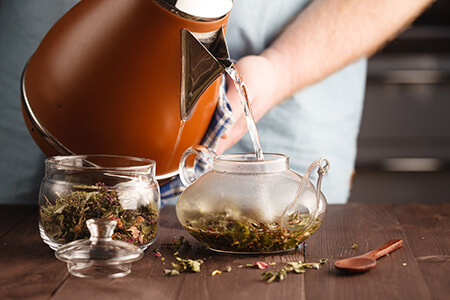
Tools of the Trade
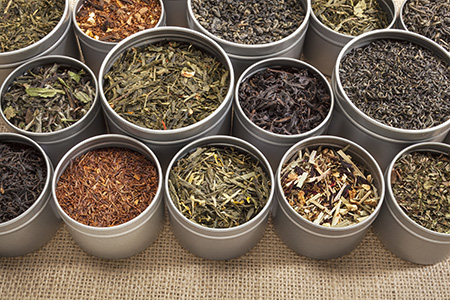
The most important ingredient in brewing the perfect cup of tea is the actual tea. Good tea starts with good ingredients. By purchasing the best tea and herbs from a reputable company like Sir Jason Winters Teas, you are already halfway to an excellent cup of tea!
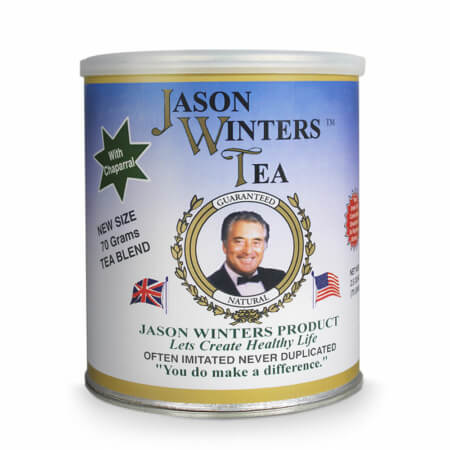
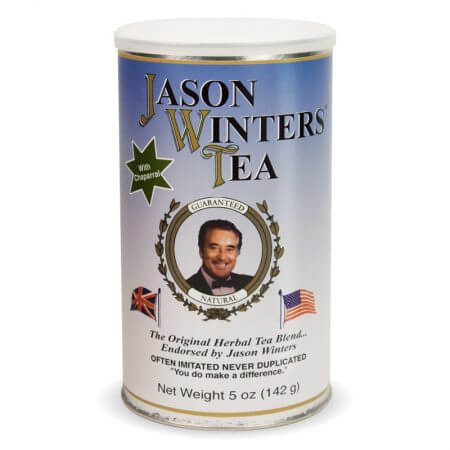
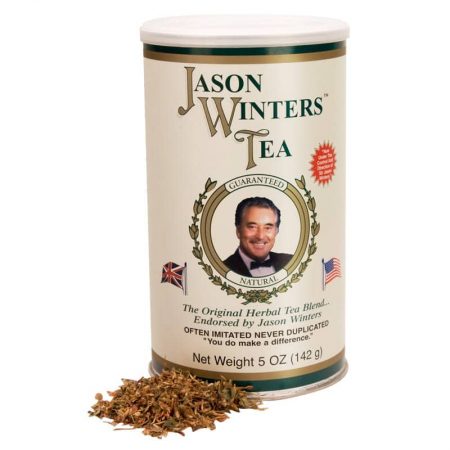
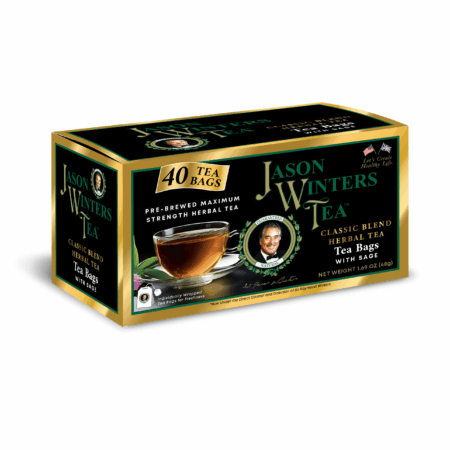
Our teas are blended to take full advantage of the taste and properties of the herbs. Our chaparral and sage 5 oz tea are naturally caffeine free.
Water
Tea experts and enthusiasts have differing opinions on the best type of water to use when making a proper cup or pot of tea. Almost everyone agrees that the most important thing is to have the purest water that is available. For many people, taking water straight from the tap is just fine. For others, because there are growing world-wide concerns over water quality and safety, filtered water is the preference for brewing tea. Also, Alkaline water is a very good choice as well.
Additives can make a difference in flavor, particularly if the water is chlorinated or very hard with mineral deposits. Surprisingly, distilled water can make your tea taste dull.
It is best to use freshly drawn, cool water and bring it to a gentle boil. Care must be taken not to let it stay at a rolling boil for too long to avoid making the water taste flat or lifeless. Once your water reaches temperature, you may add the loose leaf or pour it over tea bag.
Tea Kettle
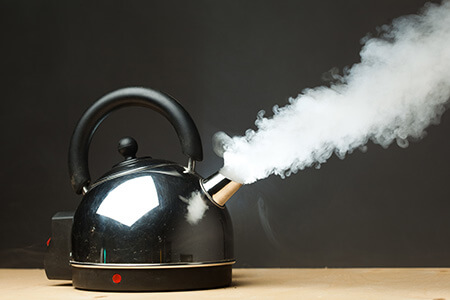
How much you heat the water in the tea kettle depends upon the kind of tea you are brewing. While some teas need boiling water, others need to be hot, but not boiling. Below are the rules of thumb for each type of tea. For this, you may need a thermometer in order to get the temperature just right.
- Black Tea – To bring out the oxidation and the full flavor of black tea, the water is best taken to the point of boiling or approximately 195- 200 degrees Fahrenheit or 91 – 93 degrees Celsius.
- Herbal Tea – To effectively brew herbal tea, the water used should be brought to a full boil. This is especially true of herbs that come from seeds, barks, roots, stems, leaves, or berries. The heat of the water helps to break down the cellular wall of the herb matter and release the volatile oils and properties contained within. Most herbal teas need a higher temperature and longer steeping time in order to release their benefits.
- Oolong Tea – This tea is known throughout the world for its light color and delicate taste. Oolong is a tea that is less fermented than black tea, yet more than green tea. The perfect temperature for brewing this tea is 175 – 190 Fahrenheit.
- Green Tea – Green teas by their nature are more delicate than black or even herbal tea. The optimal temperature for brewing green tea is slightly less than that used for black tea. Green tea is best when brewed at 160 – 170 degrees Fahrenheit or 71 – 76 degrees Celsius.
Tea Tools
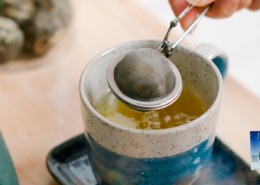
Once the water is brought to a boil, the tea is then infused in a separate vessel such as a teapot or cup. Many teapots have built-in infuser baskets or a tea ball to make removing the tea leaves easier. Other approaches include placing the tea and water directly into the pot to steep, then pouring the infused tea through a strainer to catch the tea leaves. A tea infuser can fit over the rim of the cup and can hold the heat inside the cup and aid its infusion. You may also choose to use a small reusable muslin bag. Or, if you’re using a bagged tea, just pop it into your cup and pour your water over it.
How to Store Your Tea
Is it Tea Yet?
Tea is all about relaxation and enjoyment. Admittedly, waiting for the tea to steep really can be the most difficult part! For our loose leaf teas, place the desired amount of tea within a tea ball or tea sack for about 15 minutes.
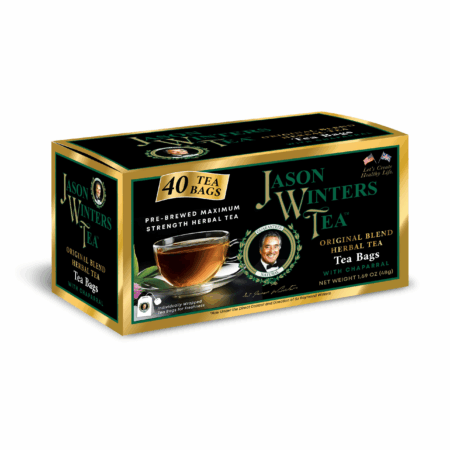
Our herbal tea bags don’t need to be steeped nearly as long thanks to our manufacturing process. You can enjoy a cup of Sir Jason Winters Original formula tea in just a couple of minutes or as long as you wish. Each tea bag in a box of 20 or 30 can make up to three cups of tea.
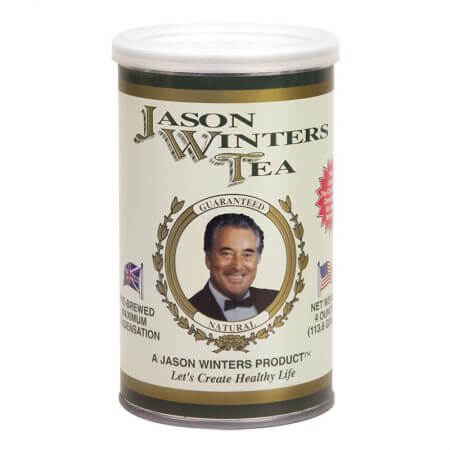
Our pre-brewed original formula loose leaf teas are also able to be ready in just two minutes, as can our pre-brewed green tea or GHT. Simply take ½ teaspoon of our pre-brewed tea and allow it to steep for approximately two minutes and you will have a perfect cup of tea in almost no time!
Whether you prefer our loose leaf, bagged or pre-brewed options, each has been perfectly formulated to give you great flavor and all of the benefits you’ve come to expect from Sir Jason Winters Teas.
Resources
“The Way of Tea” by Master Lam Kam Chuyen, Lam Kai Sin and Lam Tin Yu, 2002, Barron’s Educational Series, NY
“The Tea Box” by Giles Brochard, 2001, Barron’s Educational Series, Happauge, NY
“20,000 Secrets of Tea”by Victoria Zak, 1999, Random House, New York, N.Y.
“Starting Out in Herbalism” by Christina Paul, Real World Homesteading blog (https://realworldhomesteading.com/2018/02/17/starting-out-herbalism/)